Water Damage Restoration Dallas, GA
Water damage restoration in Dallas gets the same first move every time: a split hose, a thawing pipe or runoff off the hills is extracted, mapped for moisture and dried to the IICRC S500 standard.
(888) 532-4616Start the dry-out with a moisture map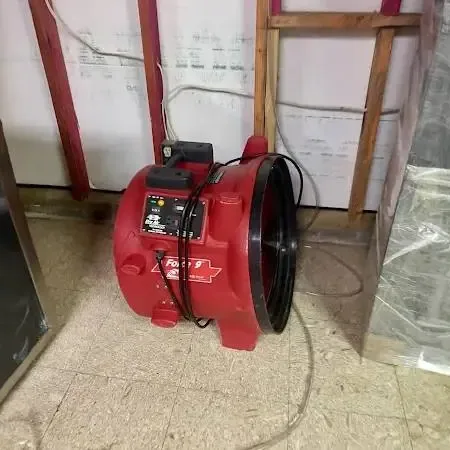
Water spreading across a floor or down a wall right now? Each hour it sits, it soaks deeper into the drywall.
(888) 532-4616Clean, gray or black water changes the cleanup
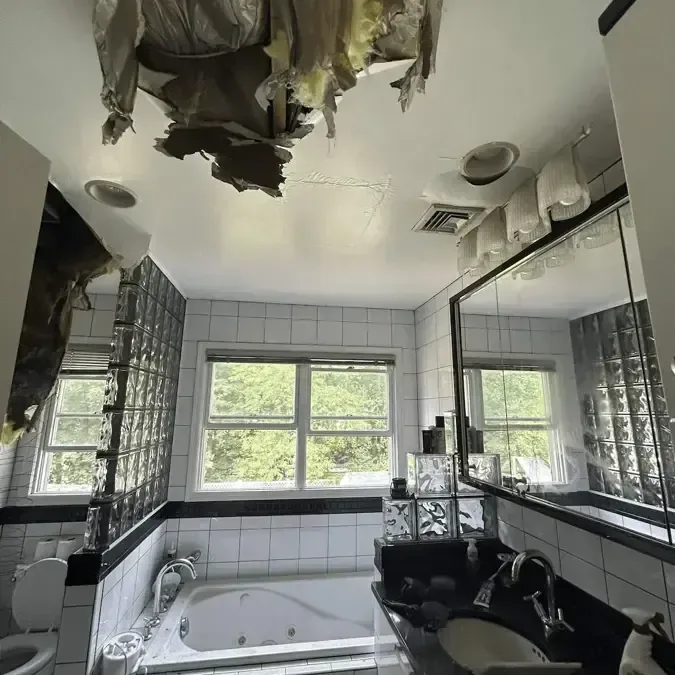
Water from a supply pipe or tank
A thawed pipe, a burst supply hose or a water heater leak starts clean. Pulled out quickly, it often lets carpet, pad and drywall dry right where they are.
How a supply leak gets dried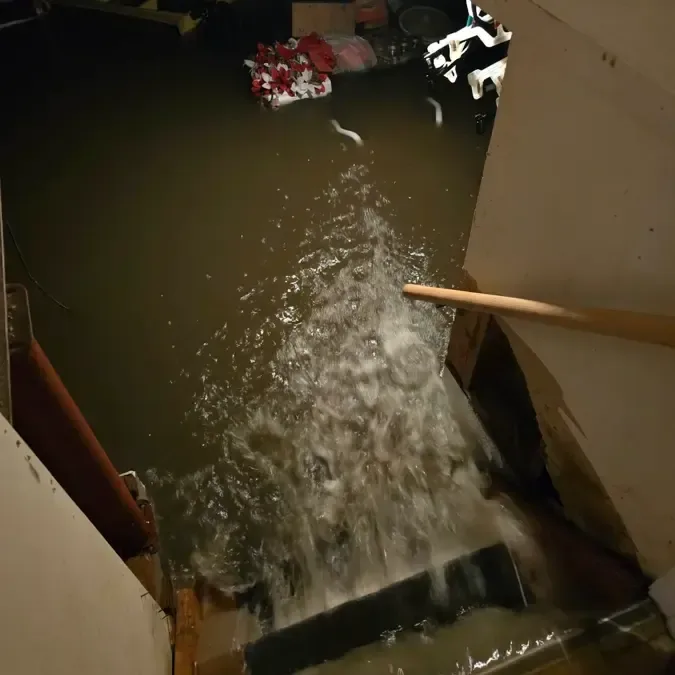
Water carrying contaminants
Dishwasher overflow, washer discharge and runoff from a yard carry contaminants, so pad usually goes and surfaces get an EPA-registered antimicrobial.
Steps for storm runoff cleanup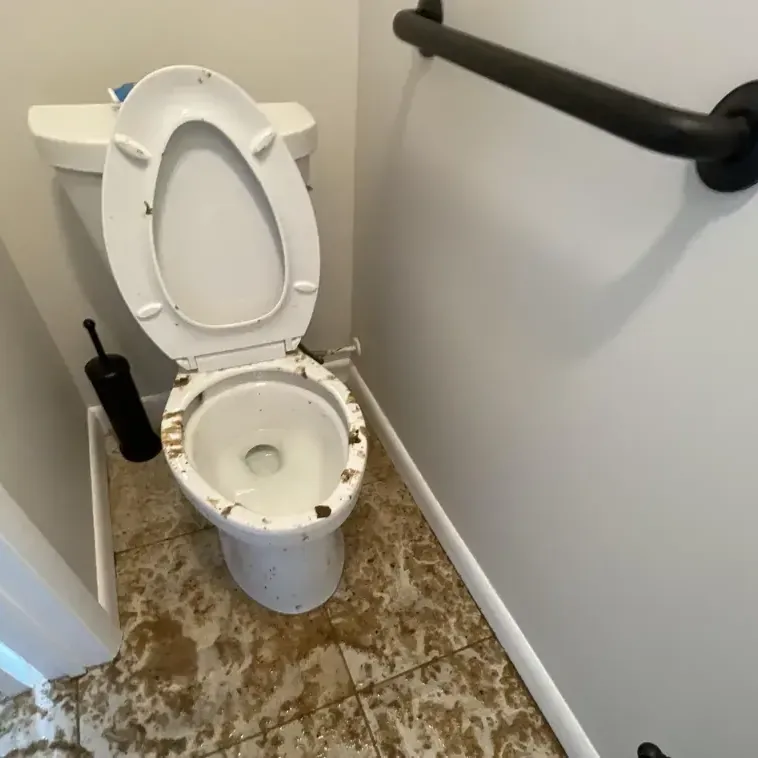
Sewage and drain backups
Sewage from a floor drain or toilet backup is contaminated from the first minute. Porous materials it reached come out, and the room is cleaned and treated.
Inside a Category 3 cleanupWater damage services for homes and businesses here
Twelve services cover the water problems local properties face, from a thawing pipe after a snowstorm to runoff in a basement and a backed-up floor drain.
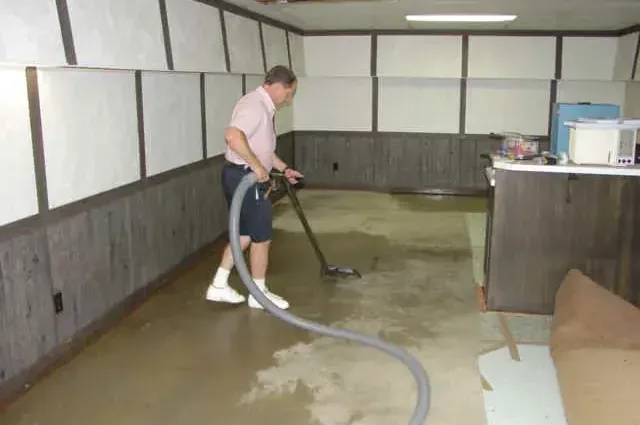 Water Extraction and RemovalTruck-mounted and portable units pull standing water out of carpet, pad, slabs and crawl spaces first.See the full scope
Burst Pipe Water DamageSupply pipes that split inside walls and ceilings are traced with meters, opened only where wet and dried.See the full scope
Water Extraction and RemovalTruck-mounted and portable units pull standing water out of carpet, pad, slabs and crawl spaces first.See the full scope
Burst Pipe Water DamageSupply pipes that split inside walls and ceilings are traced with meters, opened only where wet and dried.See the full scope
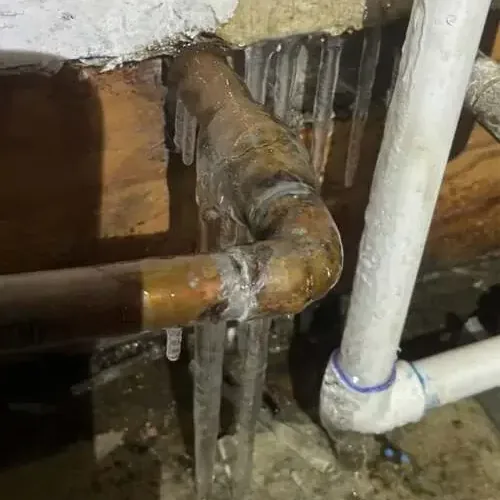 Frozen Pipe Burst CleanupPipes cracked by a freeze leak at the thaw; soaked insulation comes out and the framing is dried.See the full scope
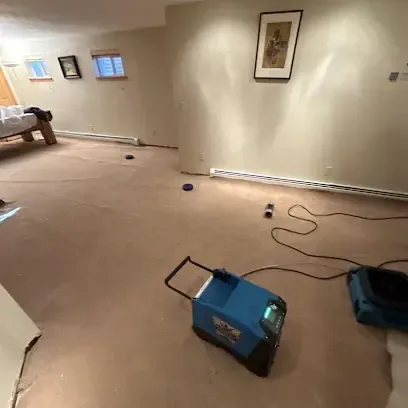 Basement Flooding CleanupBelow-grade rooms hit by seepage, a failed sump pump or a floor drain are pumped out and dried.See the full scope
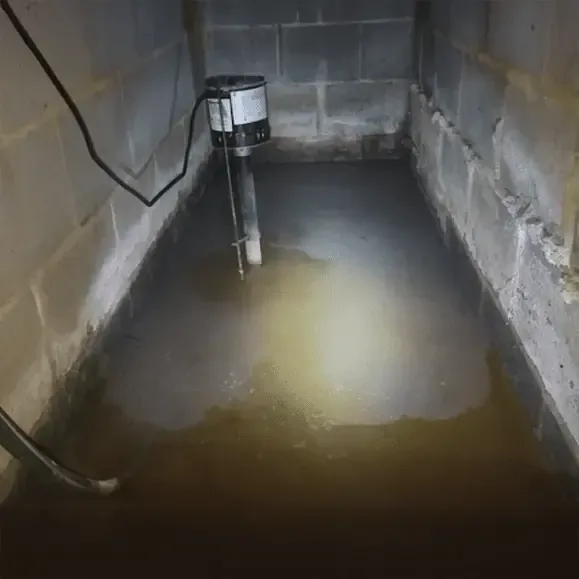 Crawl Space Water RemovalWater pooled under the house is pumped off the soil, wet batts removed and joists brought back to dry.See the full scope
Storm and Flash Flood CleanupRunoff and flash flood water handled as contaminated, with removal, cleaning and treatment before drying.See the full scope
Crawl Space Water RemovalWater pooled under the house is pumped off the soil, wet batts removed and joists brought back to dry.See the full scope
Storm and Flash Flood CleanupRunoff and flash flood water handled as contaminated, with removal, cleaning and treatment before drying.See the full scope
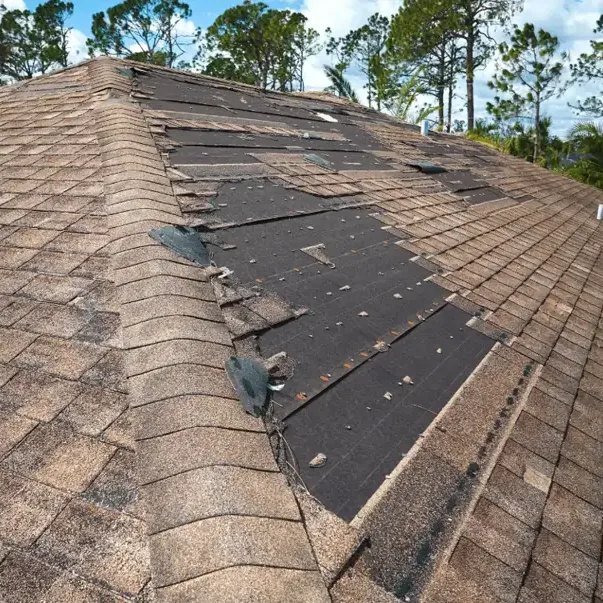 Roof Leak Water DamageLeaks from storm-torn shingles or melting snow traced through the attic, insulation pulled, ceilings dried.See the full scope
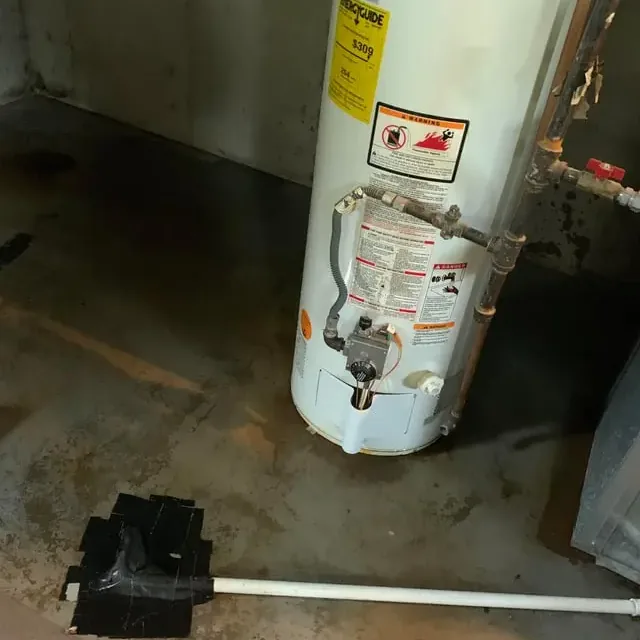 Water Heater Leak CleanupFailed tanks in garages, closets and basements extracted before nearby walls and stored items soak through.See the full scope
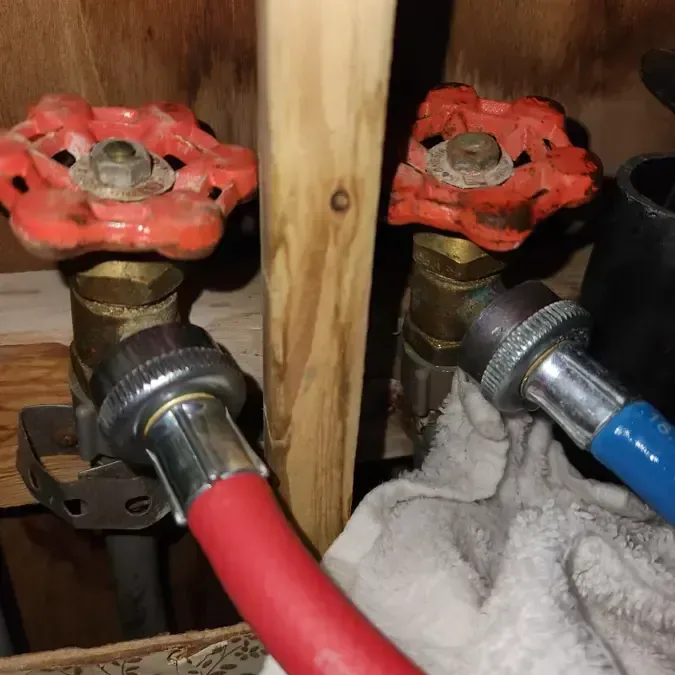 Appliance and Supply Hose LeaksLeaks from washers, dishwashers, ice makers and toilet supplies dried out from under cabinets and floors.See the full scope
Sewage Backup CleanupDrain and toilet backups handled as Category 3, with porous materials removed and every surface treated.See the full scope
Appliance and Supply Hose LeaksLeaks from washers, dishwashers, ice makers and toilet supplies dried out from under cabinets and floors.See the full scope
Sewage Backup CleanupDrain and toilet backups handled as Category 3, with porous materials removed and every surface treated.See the full scope
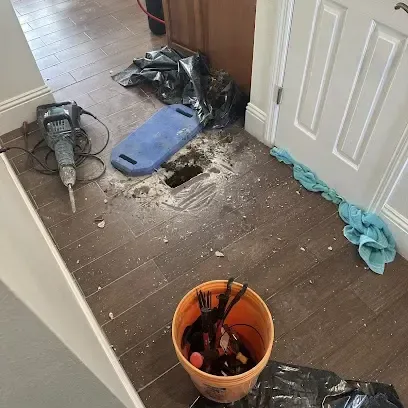 Slab Leak Water DamagePressure leaks under concrete floors located, flooring over the wet zone lifted and the slab dried.See the full scope
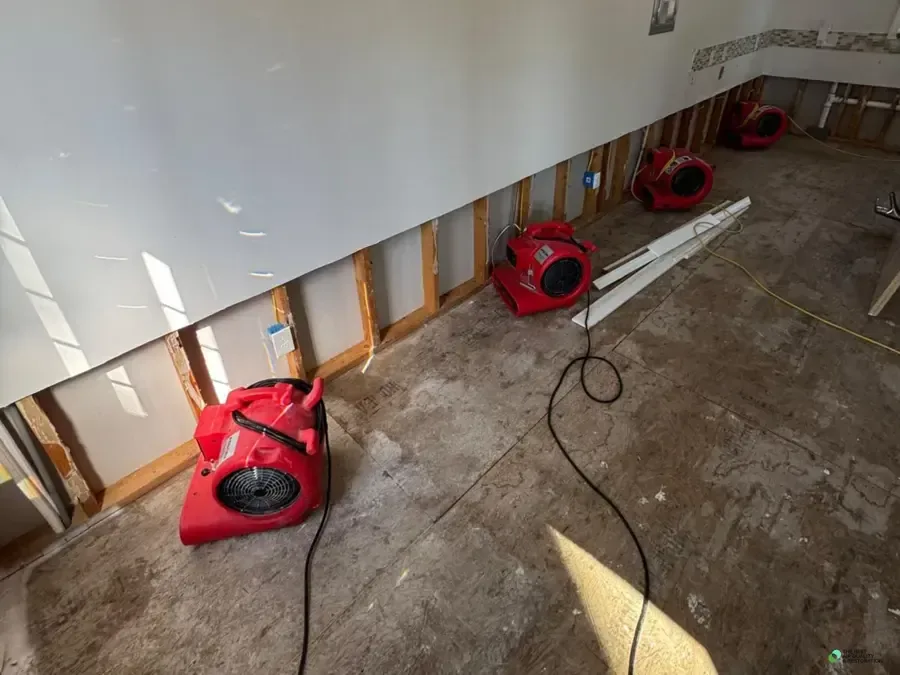 Structural Drying and DehumidificationFraming, subfloor, drywall and concrete dried until readings match a dry reference in the same home.See the full scope
The drying equipment behind every local water loss
The IICRC S500 standard sets how water is categorized and how drying is proven. The drying team runs the same core equipment on every loss and logs temperature, humidity and material readings daily.
Truck-mounted extractors
Strong vacuum and heated water recovery pull water out of carpet, pad and slab floors much faster than portable units can.
Low-grain refrigerant dehumidifiers
LGR units keep pulling water from muggy Georgia air, so wet framing and drywall keep releasing moisture day and night.
High-velocity air movers
Set by the wet area of each room and aimed along walls and floors, so the structure dries and not only the surface.
Infrared cameras and moisture meters
Thermal imaging and pin and pinless meters trace water behind drywall, under floors and along joists before anything is cut.
What to do first when water gets into the house
Close the main valve
Turn the main off at the meter box or where the supply pipe enters the house, so the leak stops feeding the floor.
Report a broken main to the utility
Paulding County Water takes leak and emergency reports 24 hours a day for its customers, so check which utility bills the account.
Switch off wet circuits
Turn off breakers for rooms with standing water, and keep clear of outlets, cords and appliances sitting in it.
Photograph everything first
Take wide and close photos of each wet room, the source and the high-water mark before moving belongings or furniture.
Start extraction early
After 24 to 48 hours mold growth becomes likely, so the response team pulls the water out first and then maps moisture.
Why every local dry-out follows the IICRC S500 standard
Round-the-clock dispatch
Crews roll at any hour across Paulding County, and active water is handled as urgent on nights, weekends and holidays.
Equipment sized to the loss
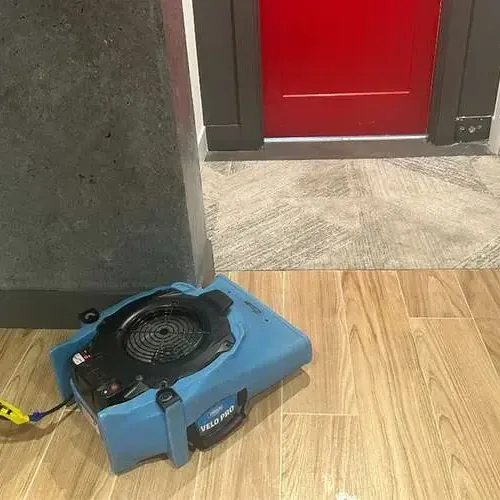
LGR dehumidifiers and air movers are set by the class of loss, and daily readings decide when they leave.
A file the adjuster can use
Moisture maps, psychrometric logs and timestamped photos taken before any demolition go into the claim file.
Ready for hill-country storms
Fast runoff from high ground, winter snow and ice, and everyday supply failures shape how local losses spread.
What every dry-out is held to
Dry is a reading, not a feeling: wet framing has to land within 2 to 4 points of the same material in an unaffected room before the equipment comes out.
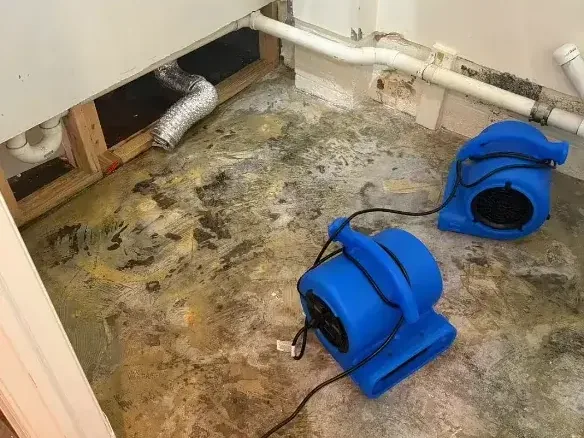
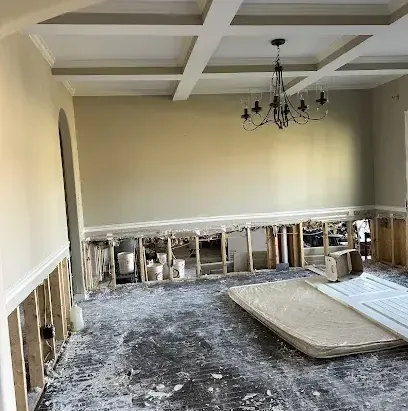
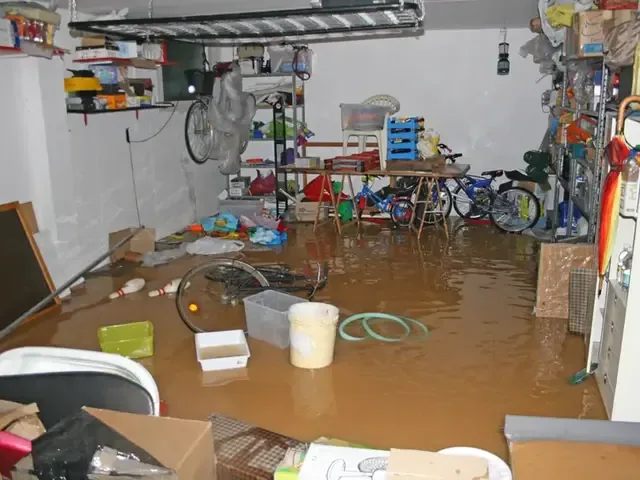
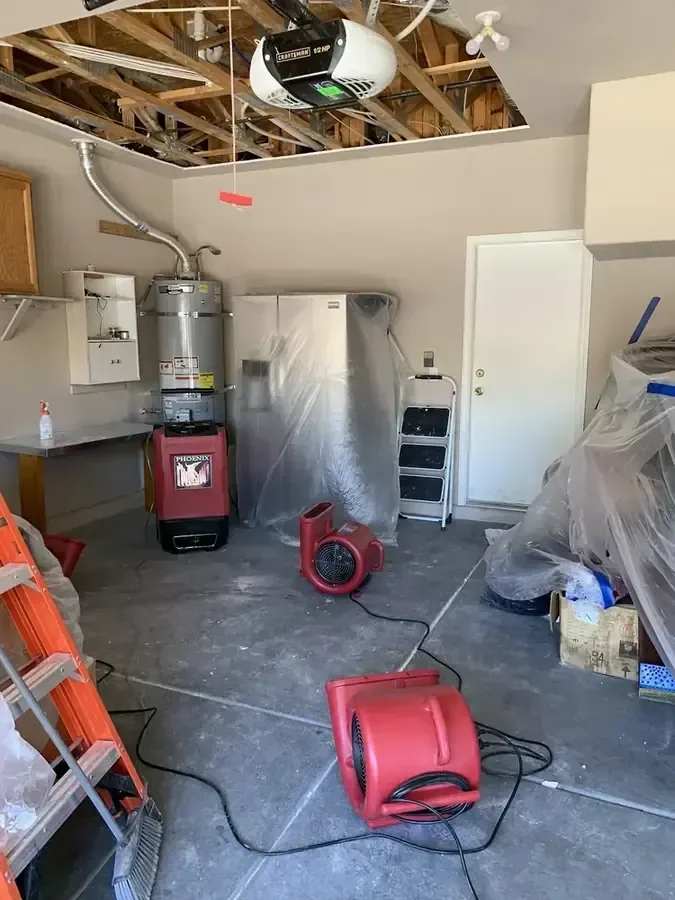
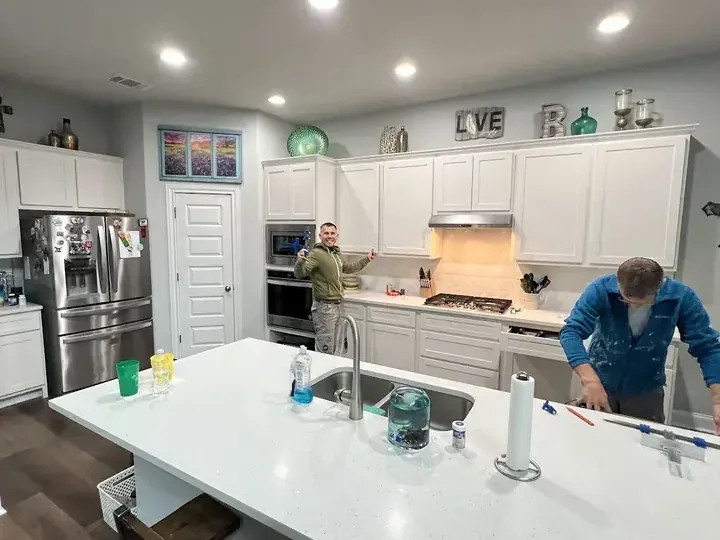
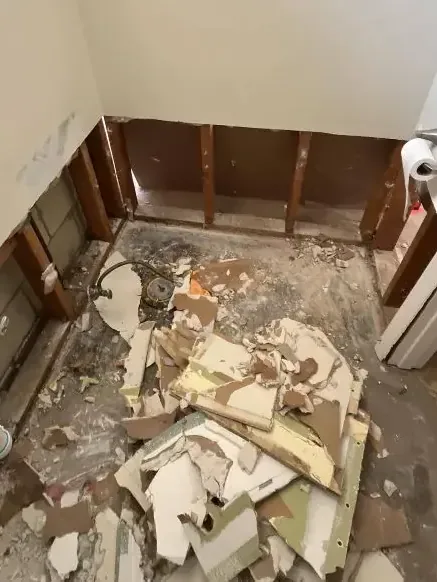
What drying equipment and opened walls look like during a dry-out
What does water damage restoration cost in Dallas, GA?
Water damage restoration here typically runs $1,200 to $9,500. The water category, the square footage that got wet, the material class and how fast drying started set most of the number, plus basement or crawl space access.
A single room, clean water
- Extraction and pad inspection
- Three to four drying days
- Readings logged each day
Multiple rooms or below grade
- Flood cuts and baseboards off
- Basement or crawl space drying
- Air movers and LGR units
Sewage or a full level
- Category 3 material removal
- EPA-registered antimicrobial
- Longer structural drying
What the adjuster looks for
Insurers decide water claims on documentation. The drying team starts the file on the first visit, so it shows what got wet, how wet it was and how long drying took.
- A day-one moisture map of each wet room
- Psychrometric logs of temperature and humidity
- Photos with timestamps before any demolition
- The recorded water category and class of loss
- An itemized list of removal and drying work
Read your own policy
Sudden and accidental water, such as a burst pipe or a failed tank, is often handled differently from flood water or slow leaks. Coverage depends on your own policy.
Rising surface water usually needs separate flood coverage. Check the declarations page, call the insurer early and keep the receipts for emergency work.
Ranges are typical, not a quote. The walkthrough and moisture map set the scope, and the water damage cost calculator narrows the range for one home.
Water damage restoration across Dallas and Paulding County
ZIP codes
Covered day and night, from downtown to the Silver Comet Trail
The response team covers ZIP 30132 and 30157, including the county offices on Constitution Boulevard, the college sites and the subdivisions off East Paulding Drive.
Homes along the Silver Comet Trail and near Pumpkinvine Creek get the same round-the-clock dispatch as the neighborhoods closer to downtown.
Dallas, GA · [email protected]
(888) 532-4616Book a moisture walkthrough in Paulding CountyNeighborhoods and roads
Nearby places
How water damages homes in Dallas, GA
The Paulding County seat sits high in the Piedmont, northwest of Atlanta. Water trouble here comes from fast runoff, Pumpkinvine Creek drainage, winter storms and everyday plumbing failures.
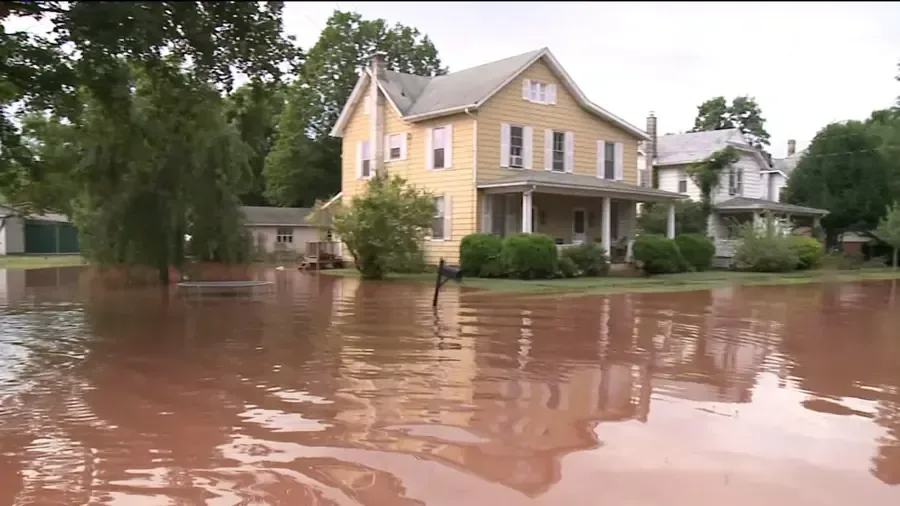
September 2009 flood
Historic flooding hit the Atlanta area on September 20 and 21, 2009, and Paulding County was named in the presidential disaster declaration.
Hills and high ground
The town sits at about 1,043 feet, among the highest suburban cities around Atlanta, with Elsberry Mountain and Ray Mountain above it. Heavy rain runs fast off sloped streets and yards.
Pumpkinvine Creek drainage
Pumpkinvine Creek, the largest creek in the area and a tributary of the Etowah River, carries local runoff. Owners can check a property on the Georgia DNR flood map viewer.
Snow and ice storms
A December 2017 storm left 12.3 inches of snow at the local cooperative weather station. Freezes split exposed pipes (see frozen pipe burst cleanup), and meltwater pushes under shingles and flashing.
A changed water utility map
Since July 2025, Paulding County Water serves a list of former city water accounts, including Heritage Club, Seaboard Station and Cole Creek. Know which utility reads the meter.
Everyday supply failures
Across thousands of households, the usual causes still lead: supply hoses, water heaters, toilet supplies and dishwasher connections that fail inside cabinets and walls.
Dallas water damage questions, answered
Is water still coming in?
Close the main valve if it is safe and keep away from wet outlets. The response team dispatches 24/7 and walks the household through what to do next.
(888) 532-4616 (888) 532-4616Walk through the leak with dispatchHow quickly can a crew reach a Dallas home?
Dispatch runs 24/7 across Paulding County, and active water is treated as urgent. Arrival depends on traffic, weather and how many losses are open after a storm, so the household hears a realistic window up front.
Who do I call about a broken water main or a meter leak?
Since July 2025, Paulding County Water serves a list of developments the city used to serve, and it takes leak reports 24 hours a day. Check which utility bills the account; the restoration team handles the water inside the house.
Does homeowners insurance cover water damage here?
Sudden and accidental water, like a burst pipe, is often covered, while rising flood water and long slow leaks are treated differently. Coverage depends on your own policy, so read it and call the insurer early. The drying team documents the loss regardless.
Can snow and ice storms cause water damage?
Yes. A December 2017 storm left 12.3 inches of snow at the local weather station. Freezes split exposed pipes, and meltwater can back up under shingles and flashing and soak attic insulation and ceilings.
How do I check whether a property sits in a flood zone?
The Georgia Department of Natural Resources flood map viewer shows effective flood zones statewide, and the FEMA Flood Map Service Center looks up flood maps by address. Both help when deciding on flood coverage.
How long does drying take after water damage?
As slab leak drying shows, dense materials take longest. A contained Class 1 or Class 2 loss usually dries in three to five days. Basements, crawl spaces, hardwood and concrete take longer, and equipment stays until readings land within 2 to 4 points of a dry reference.
What does the IICRC S500 standard require?
IICRC S500 is the industry standard for water damage restoration. It sets how water is categorized, how drying equipment is sized and how a drying team proves the structure is dry with measured readings.
What should the household do before the crew arrives?
Close the main, switch off breakers for wet rooms if it is safe, photograph everything before moving it and lift rugs and furniture off wet floors. Leave sewage alone, because Category 3 water calls for protective gear.
Why is a sewage backup treated differently?
Sewage is Category 3 water that carries bacteria and viruses. Crews wear protective gear, remove porous materials it reached, clean every surface and apply an EPA-registered antimicrobial for its full dwell time before drying.
How is the cost of a water loss worked out?
Cost follows the water category, the wet square footage, the material class and how fast drying began. Basement and crawl space access add labor. The walkthrough sets the scope, and the water damage cost calculator gives a typical range.
Water on the floor or coming through a ceiling? Start the dry-out now.
Each hour the water stays, it climbs further into drywall and framing. Extraction comes first, then measured drying.
(888) 532-4616Put a drying crew on the way