Water Damage Restoration South Fulton, GA
Burst pipes, leaking appliances, storm water and sewage backups start the same way: water where it should not be. The local restoration team pumps it out, dries the structure and documents the damage for insurance.
(888) 532-4616Call for water damage help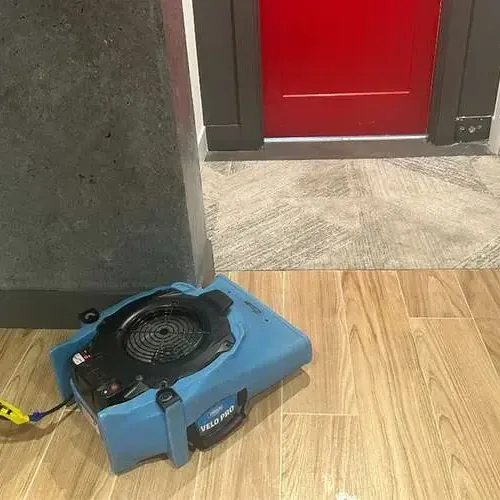
Call any hour. The restoration team asks where the water came from, how much is standing and which rooms are affected.
(888) 532-4616Three situations that need fast action
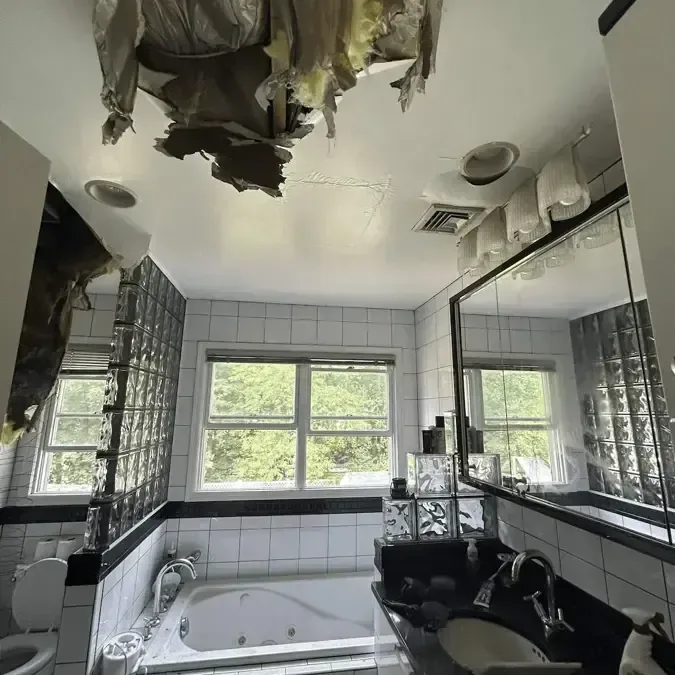
Burst pipes and supply leaks
A split pipe or a failed hose can soak walls, ceilings and flooring in a short time, so shutoff, extraction and opening wet drywall come first.
Read burst pipe details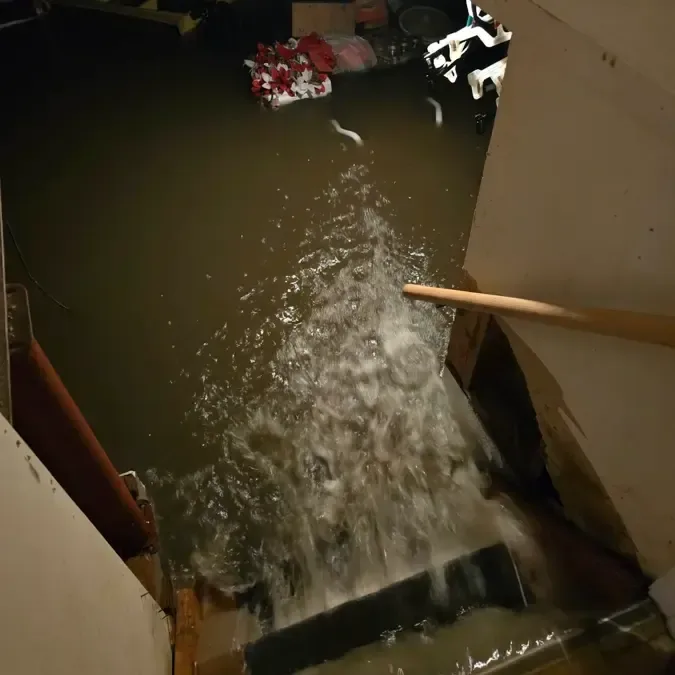
Storm and flood water
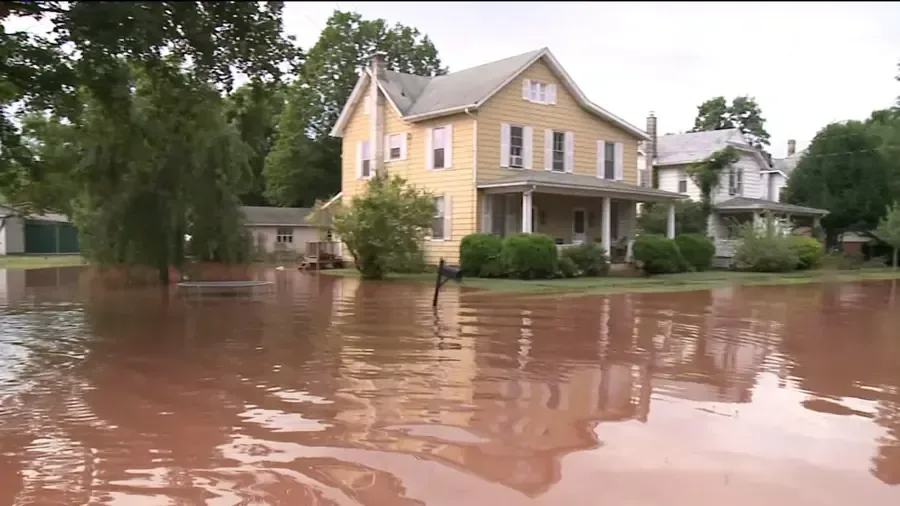
Heavy rain, roof leaks and runoff push water and silt into homes, and storm water carries contamination that clean water does not.
See storm cleanup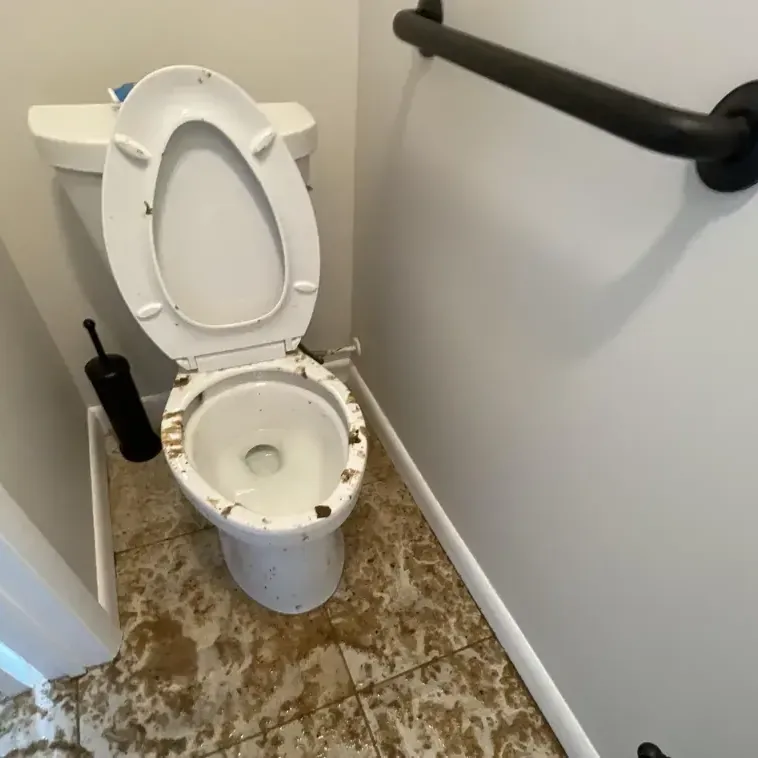
Sewage and drain backups
Sewage in a bathroom, basement or crawl space is a contamination hazard that calls for trained cleanup, protective gear and thorough disinfecting of every surface it touched.
See sewage cleanupWater damage services for local homes
Every water problem starts with stopping the source and removing the water, then moves on to drying, cleaning and repair planning, with different tools for each situation.
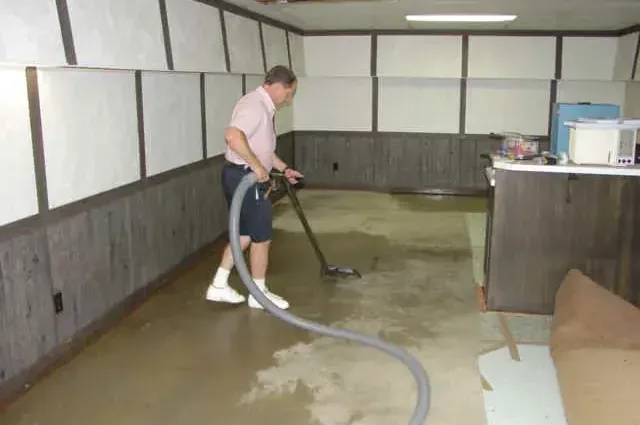 Water Extraction and RemovalPumps and wet vacuums clear standing water from floors and carpet before the pad and framing soak it up.See the full scope
Burst Pipe Water DamageA split supply pipe can soak a wall and ceiling fast. Shutoff, extraction and opening wet drywall come first.See the full scope
Water Extraction and RemovalPumps and wet vacuums clear standing water from floors and carpet before the pad and framing soak it up.See the full scope
Burst Pipe Water DamageA split supply pipe can soak a wall and ceiling fast. Shutoff, extraction and opening wet drywall come first.See the full scope
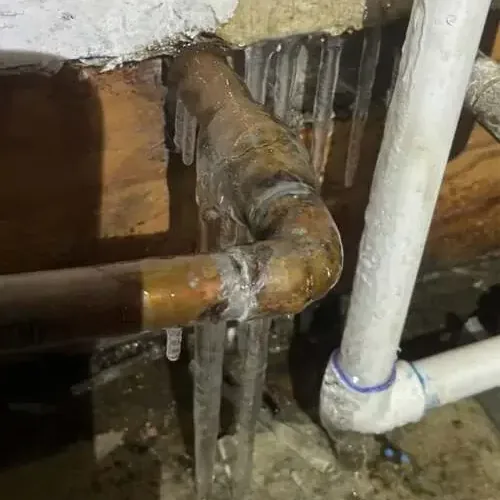 Frozen Pipe Burst CleanupThawing pipes release water behind walls and above ceilings. Drying starts once the plumber stops the leak.See the full scope
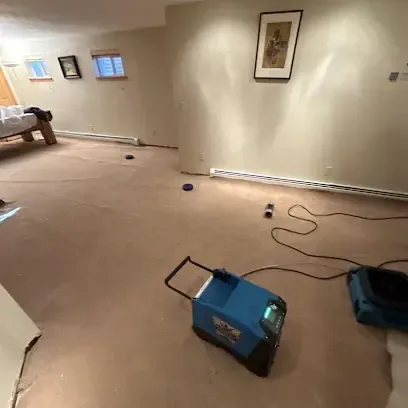 Basement Flooding CleanupWater in a below-grade room gets pumped out, then wet carpet and drywall come out and drying begins.See the full scope
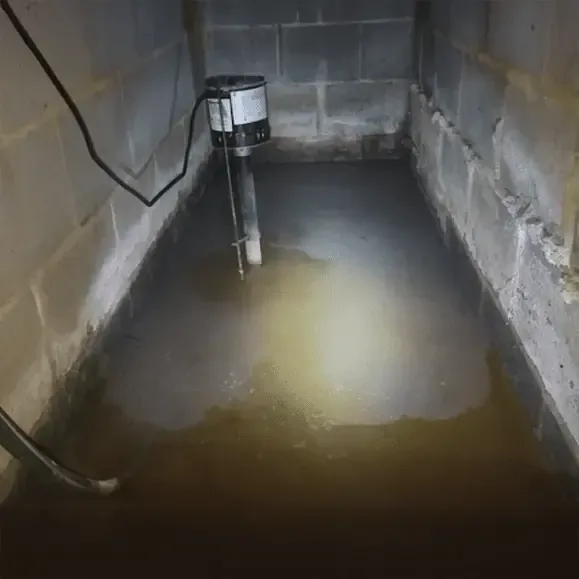 Crawl Space Water RemovalPooled water under the floor is pumped out, then the joists and subfloor are checked and dried.See the full scope
Storm and Flash Flood CleanupRunoff and rising water bring silt and contamination indoors, so cleanup covers removal, disinfecting and full drying.See the full scope
Crawl Space Water RemovalPooled water under the floor is pumped out, then the joists and subfloor are checked and dried.See the full scope
Storm and Flash Flood CleanupRunoff and rising water bring silt and contamination indoors, so cleanup covers removal, disinfecting and full drying.See the full scope
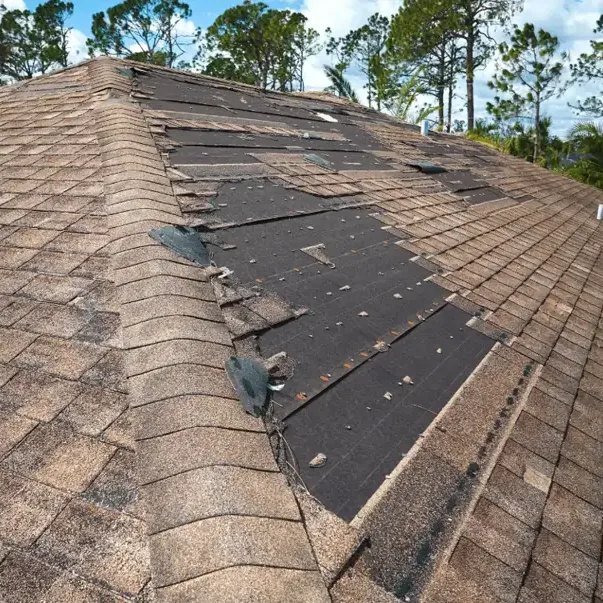 Roof Leak Water DamageCeiling stains and drips mean water already sits in the insulation and drywall, so drying focuses there.See the full scope
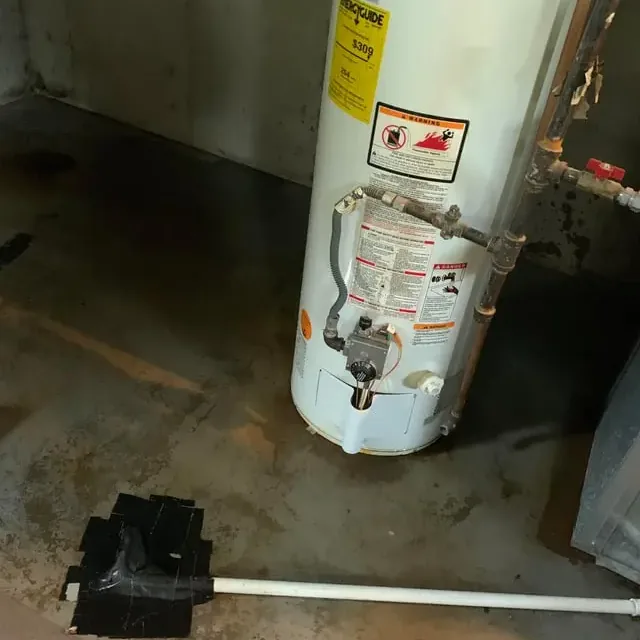 Water Heater Leak CleanupA failed tank can empty onto a garage, closet or utility floor, so extraction and drying follow the shutoff.See the full scope
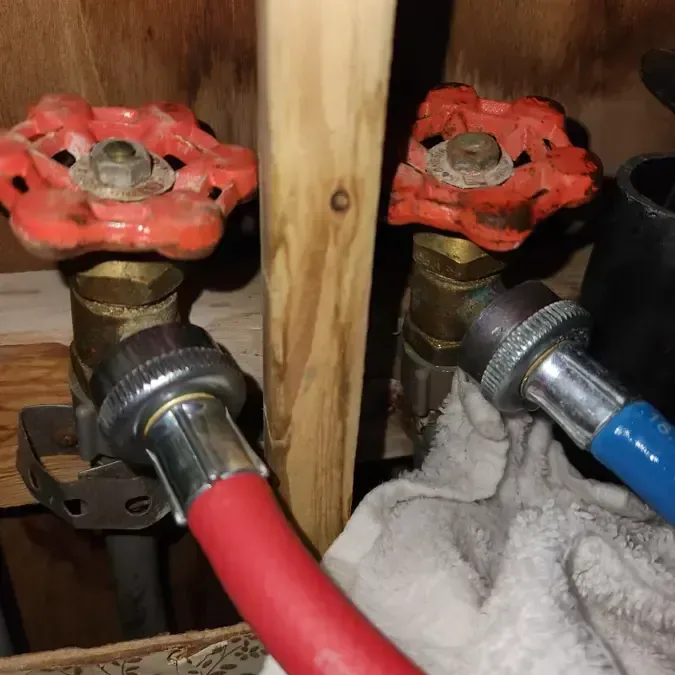 Appliance and Supply Hose LeaksWasher, dishwasher and refrigerator hose failures spread water under flooring and into cabinets and walls.See the full scope
Sewage Backup CleanupSewage is a contamination hazard, so trained crews remove it, discard affected materials and disinfect the area.See the full scope
Appliance and Supply Hose LeaksWasher, dishwasher and refrigerator hose failures spread water under flooring and into cabinets and walls.See the full scope
Sewage Backup CleanupSewage is a contamination hazard, so trained crews remove it, discard affected materials and disinfect the area.See the full scope
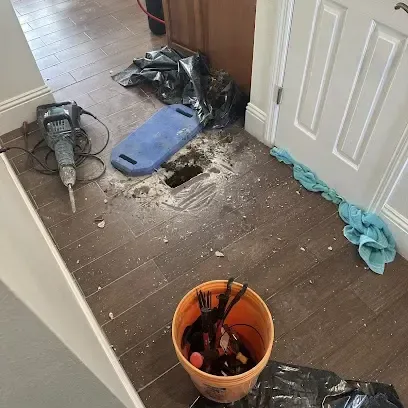 Slab Leak Water DamageA leak under the slab sends pressurized water into the floor system, and a plumber has to locate it.See the full scope
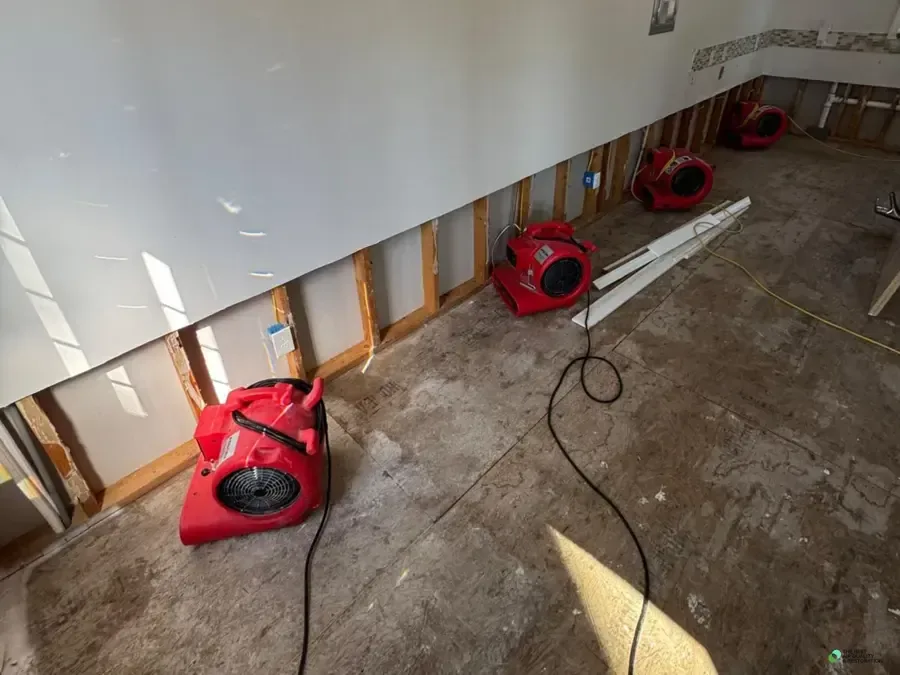 Structural Drying and DehumidificationAir movers and dehumidifiers pull moisture from framing, subfloor and drywall until readings match dry reference materials.See the full scope
A repeatable process from first call to dry
The mitigation team works in a fixed order so nothing is skipped: find the source, remove the water, open what is wet, dry it and confirm the result with meters.
Find the source
The crew confirms what leaked, closes or flags the shutoff and checks whether the water is clean, gray or sewage.
Extract the water
Pumps and wet vacuums remove standing water from floors, then carpet pad and loose materials are lifted out.
Open and dry
Wet drywall, flooring and insulation are cut back where needed, and air movers and dehumidifiers go in for the drying run.
Check and document
Moisture readings are taken again until the structure is dry, and photos and logs are saved for the insurance claim.
What to do while the water is still spreading
Stop the source
Close the main shutoff or the valve at the fixture if it is safe to reach, then leave wet outlets and cords alone.
Cut power near wet areas
If water reaches outlets, appliances or the panel, turn off the affected breakers only when standing on a dry surface.
Lift what can be lifted
Move small furniture, rugs, boxes and electronics onto dry surfaces, and set wet cushions aside.
Photograph the damage
Take wide and close photos of the water, the source and damaged belongings before anything is thrown out.
Call for help
Call any hour and describe the source, the rooms affected and whether the water looks clear or dirty.
Method, equipment and records on every job
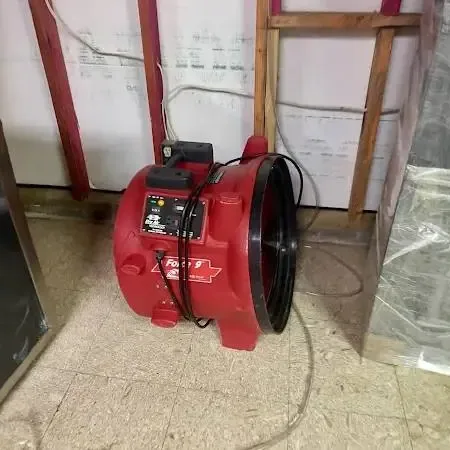
Water and sewage only
The work is limited to clean water, gray water and sewage, so the equipment and process fit the problem.
Meters set the drying plan
Readings on drywall, subfloor and framing are logged at each visit, so drying stops on data rather than on a calendar date.
Records kept for the claim
Photos, readings and equipment logs are kept so an adjuster can follow what happened and what was done.
Cost range stated early
A price range tied to the size and type of water is shared before the larger equipment goes in.
What every dry-out is held to
Equipment choice, moisture logging and documentation matter more than a quick pump-out. The drying team sizes every setup to the room, the material and the water type.
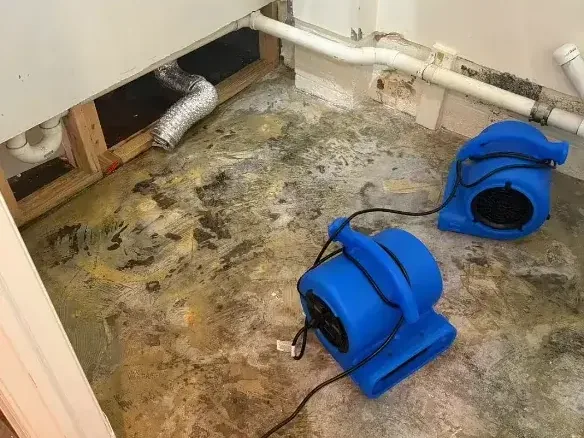
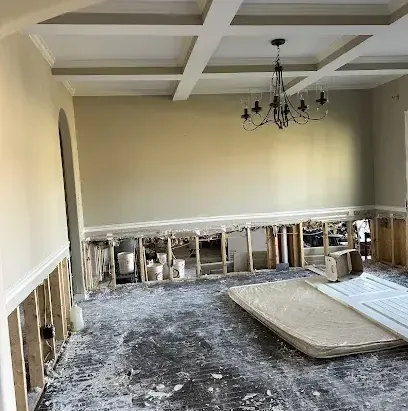
What water damage looks like once the cleanup begins
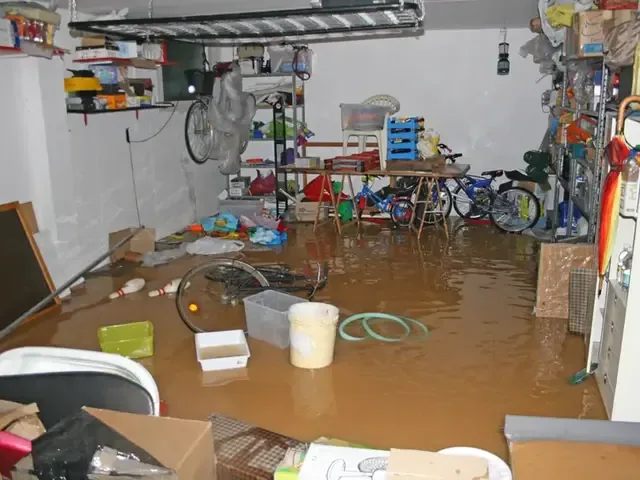
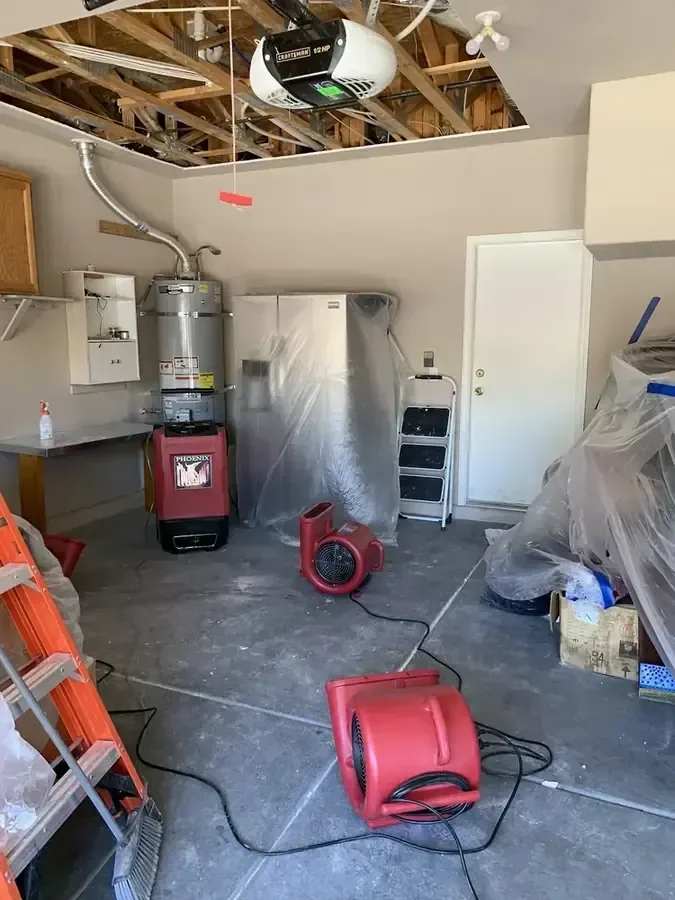
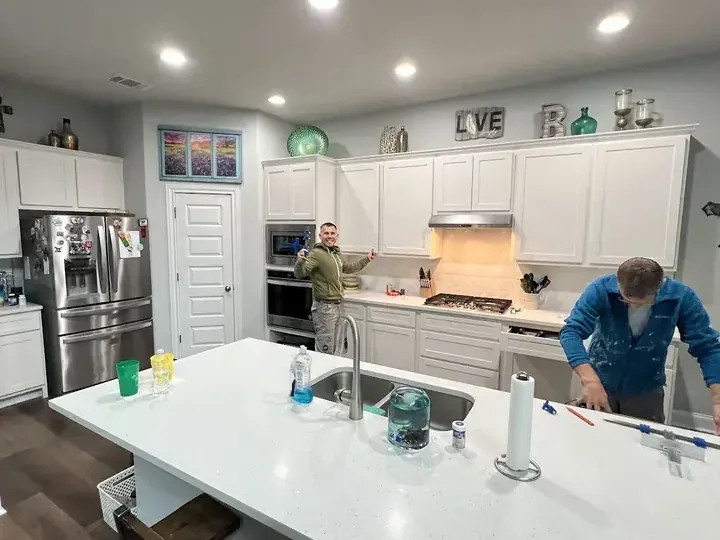
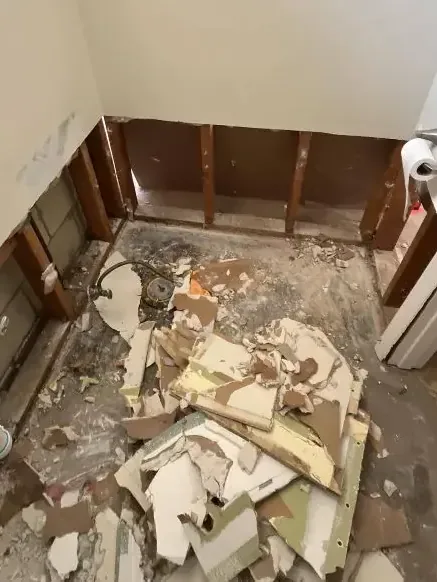
What water damage restoration costs for a typical home
Most jobs fall between $1,200 and $9,500 or more, depending on how much water there is, whether it is clean or contaminated, and how many rooms and building materials it reached before drying began.
One room, clean water
- Standing water pumped from floors
- Wet carpet pad pulled out
- Air movers set up and running
Several rooms or a level
- Water removed from every wet room
- Wet drywall cut out and discarded
- Dehumidifiers and daily moisture readings
Gray water or larger loss
- Gray water cleaned and disinfected
- Affected materials safely discarded
- Extended drying with monitoring
Documenting water damage for insurance
A claim is easier when the loss is documented from the first visit. Photos, moisture readings and equipment logs show an adjuster what was wet and how it was handled.
- Dated photos of the water and the failed part
- Moisture readings from every wet room
- Equipment placement and daily drying logs
- A list of damaged belongings and materials
- A written scope of the work performed
What the homeowner can do
Before anyone arrives, the homeowner can shoot photos, save receipts for emergency repairs and read the policy for water damage language, including any limit on sewer backup.
Policies treat sudden leaks, gradual leaks, storm water and sewage differently, so the insurer's definitions decide what is paid. Ask the agent before assuming anything is covered.
Final cost depends on the size of the loss, the water category and the materials involved. A written scope is the best way to compare numbers from different companies.
Water damage restoration across South Fulton, GA
ZIP code
Reaching the drying team from any part of the city
A call at any hour reaches the restoration team, which takes the location, the source of the water and the rooms affected before equipment is sent.
Water damage in town can involve city streets, county utilities and private plumbing, so the first questions sort out where the water started.
South Fulton, GA · [email protected]
(888) 532-4616Ask the drying team a questionRoads and areas served
Nearby cities served
Local conditions that put water in homes
City and county postings in South Fulton cover boil water notices, cold weather, heavy rain and creek crossings, and each one can end with water inside a house in a different way.
March 2019
A boil water advisory covered the Fulton County South Service Center on Stonewall Tell Road, and the center closed for lack of water pressure.
Water main and boil water notices
The city's news page has carried a boil water advisory notice, a notice lifting it and a notice about a water main break in the Stonewall Tell Road area.
Cold snaps and frozen pipes
Fulton County's January 2025 notice told residents to let a small, steady drip of cold water run from one indoor faucet when temperatures drop below 32°F, and the city has posted warming station hours.
Heavy rain and thunderstorms
The city has posted weather advisories for increased rain and thunderstorm activity, which is when roof leaks, clogged gutters and runoff turn into stains, drips and wet floors indoors.
Creeks, flood maps and property searches
North Utoy Creek and South Utoy Creek cross Fairburn Road, and the Georgia Flood MAP Flood Risk Viewer lets an owner search a specific property for flood risk.
Water and sewer maps
Fulton County Public Works publishes water and sewer maps so owners can check whether a property is in the county service area, which matters when sewage backs up.
Common water damage questions
Water in the house right now?
Stop the source if it is safe, keep clear of wet outlets and call. The drying team asks a few questions about the water and the rooms affected.
(888) 532-4616 (888) 532-4616Call about the waterHow fast does water damage spread?
Water wicks into drywall, carpet pad and framing within hours, and mold can start growing after about 24 to 48 hours, so extraction and drying should begin as soon as someone can reach the home.
What is the difference between clean, gray and black water?
Clean water comes from a supply pipe or a tap, gray water carries some contamination such as washer or dishwasher discharge, and black water includes sewage and storm flooding. The category sets the protective gear and which materials can be saved.
Does the restoration team handle sewage backups?
Yes. Sewage cleanup treats sewage as a contamination hazard, so the crew wears protective gear, removes the water, discards the porous materials it touched and disinfects the surfaces that stay.
What should a homeowner do before help is on site?
Shut off the water at the main or the fixture if it is safe, switch off power to wet rooms, lift belongings onto dry surfaces and take photos of the water and the damage.
How long does drying take?
Structural drying runs until meter readings in the drywall, subfloor and framing match dry reference materials. Thick materials such as subfloor and hardwood take longer than drywall, and the equipment stays until the numbers say it is done.
Will homeowners insurance pay for water damage?
Policies usually respond to sudden events such as a burst pipe and treat gradual leaks, storm water and sewage backups separately, so the policy wording and the cause of loss decide it. Photos and drying logs support the claim.
Do wet drywall and carpet always have to be removed?
No. Clean water caught early often lets carpet and drywall be dried in place, while gray water, sewage or materials that stayed wet for days are cut out and discarded.
Who fixes the pipe that caused the damage?
A plumber repairs the pipe or fixture. The restoration team removes the water and dries the structure, as described under burst pipe cleanup, and the two jobs run in whichever order the source and the wet materials allow.
Does a boil water notice mean water damage?
No. A boil water advisory is about drinking water safety. Water damage happens when water gets into a building, so a notice only matters here if a break or a pressure problem leads to a leak indoors.
What does the cost depend on?
The size of the affected area, the water category, how long the materials stayed wet and how much must be removed before drying. A written scope after the first inspection fixes the exact number.
Water in the house? Start the drying before it settles into the walls
The restoration team takes the details about the water and plans the extraction and drying for the rooms affected.
(888) 532-4616Describe the damage by phone