Water Extraction in Dallas, GA
In Dallas homes, the extraction crew removes standing water from floors, carpet pads and low spots before it soaks into framing, then hands off to drying equipment while the damage is still shallow.
(888) 532-4616Dallas water extraction help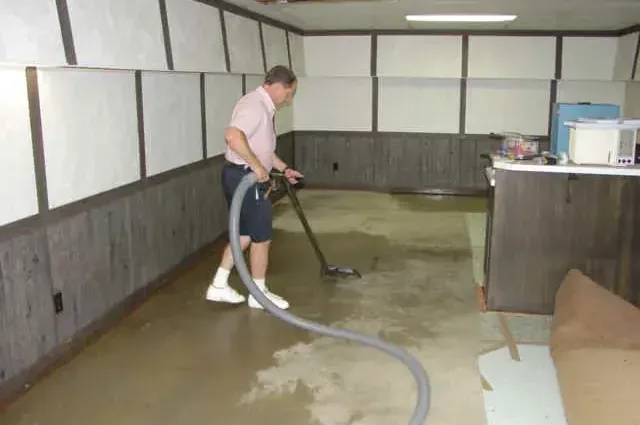
Why water extraction and removal needs a measured dry-out
Dispatch at any hour
The response team dispatches 24/7, and active water is treated as urgent on weekends and holidays too.
Dried to IICRC S500
Air movers and LGR dehumidifiers are sized to the class of loss, and readings decide when equipment leaves.
Claim-ready records
Moisture maps, daily psychrometric logs and timestamped photos are taken before any demolition.
Water and sewage only
Extraction, structural drying and Category 3 cleanup are the whole job, from the first call to the last reading.
First steps for water extraction and removal while help is on the way
A few safe moves for the household before the crew arrives.
- 1
Stop the source. Close the supply valve or the appliance shutoff.
- 2
Stay out of deep water. Standing water near outlets or cords can carry current, so wait for the crew.
- 3
Lift what can move. Raise small furniture, rugs and electronics onto dry surfaces.
- 4
Photograph the damage. Take wide and close photos of the water mark and the source before cleanup begins.
What does water extraction and removal cost in Dallas, GA?
Water extraction in Dallas usually runs from $900 for one clean room to $7,500 or more for a whole level of gray water, and depth, room count and water category drive the number.
One room, clean water
- Pump and vacuum
- Pad removal
- Moisture check
A basement or several rooms
- Deeper pumping
- Baseboard checks
- Daily readings
Gray water or a whole level
- Contaminated material removal
- Wider drying zone
- Full photo log
Ranges are typical, not a quote: the water category, square footage, material class and how fast drying started move the number most. Run the water damage cost calculator for a closer range; the claim file carries the moisture map and photos either way.
How water extraction and removal is handled, step by step
Assess the water
Category and depth are checked.
Remove the water
Pumps and wands clear the floor.
Pull wet materials
Soaked pad and trim come out.
Hand off to drying
Equipment goes in and readings begin.
Water extraction is the first physical job on a wet property. In Dallas it usually follows a split supply pipe, a failed washing machine hose, a roof that gave way in heavy rain or a thaw that cracked a pipe, and how well it goes sets how much of the house needs drying afterward.
What pulling the water out involves
The crew sets pumps and wands to the depth of the water and works from the lowest point of the floor outward. Soaked padding is cut and lifted, because it holds water far longer than the carpet above it.
- Pumps handle depth and wet vacuums take the last film of water
- Carpet pad and loose underlayment leave the room
- Furniture legs are blocked up so wood and finishes stop wicking
Hardwood, laminate and vinyl are checked at the seams, since water travels sideways underneath them. Anything that stays in place gets a moisture reading so the drying plan starts from numbers.
Water sources behind local jobs
Most extraction calls begin with plumbing: a split supply pipe, a washer hose that let go or a tub that overflowed. Heavy rain and winter thaws add runoff and roof leaks, and Pumpkinvine Creek is the main creek in the area.
- Plumbing failures give clean water that dries fastest
- Rain and runoff bring gray water that needs more care
- Thaw splits show up once the pipe warms and flows
Water category is judged before any work starts, because gray water changes what can stay in the house and what has to go.
Water still on the floor? Call now, any hour, and describe what it reached.
(888) 532-4616Get the standing water outAfter the water is out
Extraction rarely finishes a job alone. Wet framing, subfloor and drywall hold moisture a wand cannot reach, so the drying team follows with air movers and dehumidifiers.
- Readings taken in walls, floors and baseboards
- Air movers and dehumidifiers sized to the room
- Wet materials logged with photos for the adjuster
That second stage is covered under structural drying, and the water extraction overview explains the full crew process.
Check the numbers before the walkthrough
The water damage cost calculator and the drying time estimator give typical ranges for a local home. The walkthrough and moisture map set the real scope.
Water extraction and removal across Dallas and nearby communities
Dispatch reaches every neighborhood listed here, day or night.
Extraction work reaches downtown near the Old Paulding County Courthouse, developments such as Heritage Club and Hayes Park, and addresses across ZIP codes 30132 and 30157.
The same service nearby: water extraction and removal in Villa Rica, Austell, Bremen.
See every service for this townRelated water damage services in Dallas
Water Extraction and Removal questions in Dallas, GA
Still dealing with it?
Water still on the floor? Call now, any hour, and describe what it reached.
(888) 532-4616 (888) 532-4616Get the standing water outHow soon does standing water have to come out of a house?
As soon as it is safe to enter. Water soaks into drywall, subfloor and padding within hours, and the 24 to 48 hour window before mold can start is the reason extraction comes first.
Can a shop vacuum replace professional extraction?
A shop vacuum handles a small spill, but it cannot pull water from under flooring or inside wall cavities. Moisture readings taken afterward show whether the structure still holds water.
Does carpet have to be removed after extraction?
The padding usually does, because it holds water long after the surface feels dry. Carpet itself can sometimes be dried in place when the water was clean and the damage was caught early.
Is extraction different for gray water from heavy rain?
Yes. Runoff and appliance drain water carry contamination, so porous materials that touched it are removed instead of dried. Storm and flash flood cleanup covers the larger version of that work.
What does an adjuster need from the extraction stage?
Photos of the water level and its source, moisture readings before and after, and a list of removed materials. The extraction crew documents all three as the work goes.
Standing water settles deeper with every wet hour
The restoration team pumps, vacuums and measures every wet surface, then records the work for the claim file.
(888) 532-4616Call about the wet floor