Water Damage Restoration Villa Rica, GA
Villa Rica water damage restoration starts with extraction and a moisture map. The response team pumps out basements and crawl spaces, dries framing to the IICRC S500 standard and logs every reading.
(888) 532-4616Get the pump-out and moisture map started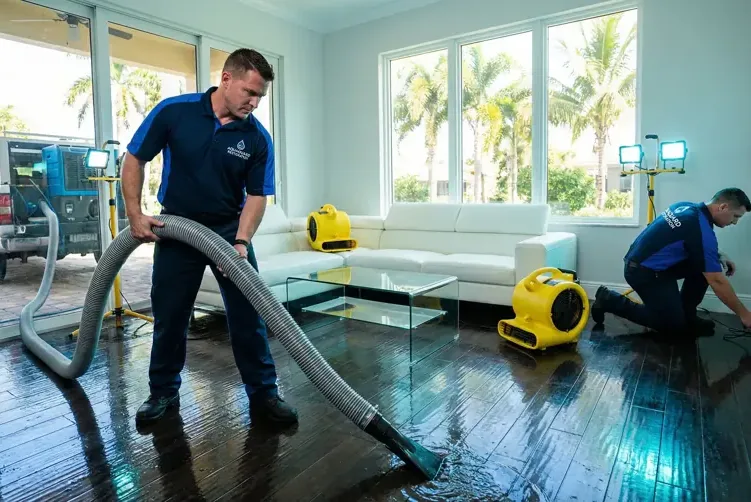
Water spreading through a crawl space or basement right now? Every hour it sits, it climbs higher into framing.
(888) 532-4616Three categories of water, three different cleanups
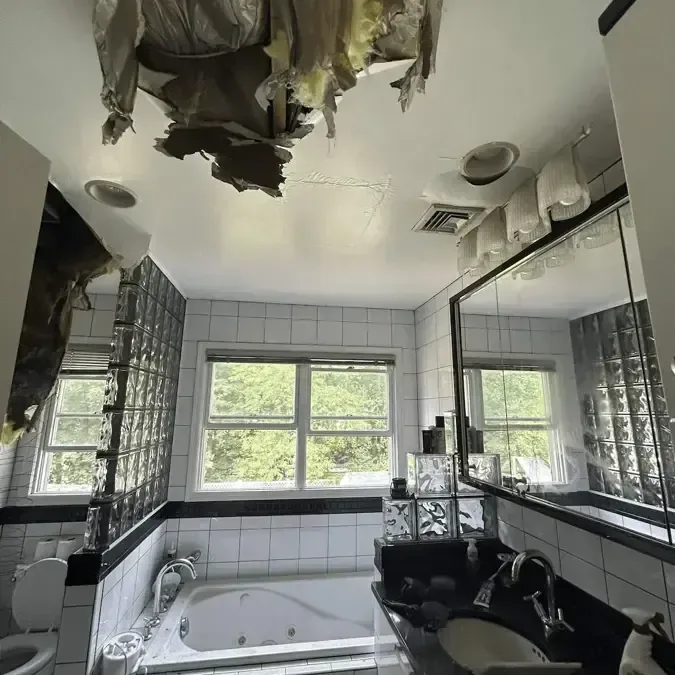
Clean water from a supply pipe
A split supply pipe, a failed water heater or an appliance hose starts as Category 1. Fast extraction usually lets carpet, pad and drywall dry in place.
Burst pipe drying, step by step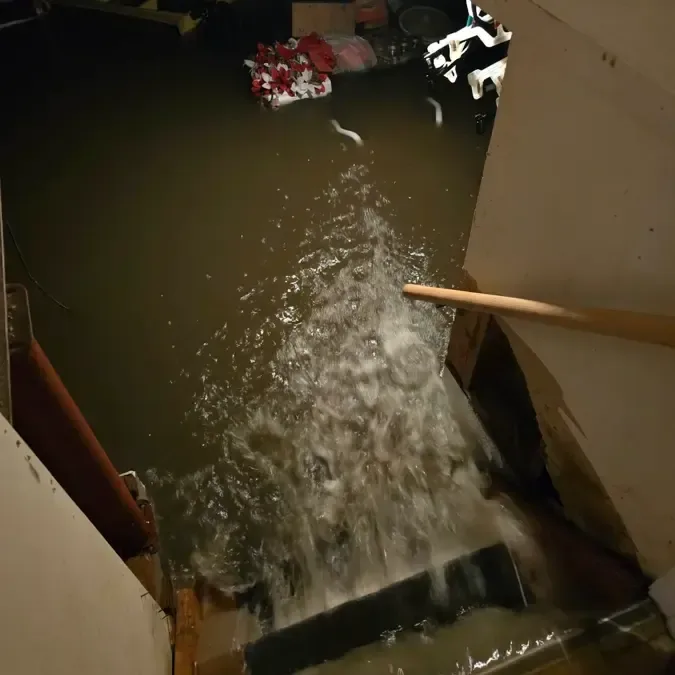
Gray water from appliances and storms
Washer discharge, dishwasher overflow and storm runoff carry contaminants. Pad usually comes out, and surfaces get an EPA-registered antimicrobial before drying.
How storm water gets cleaned up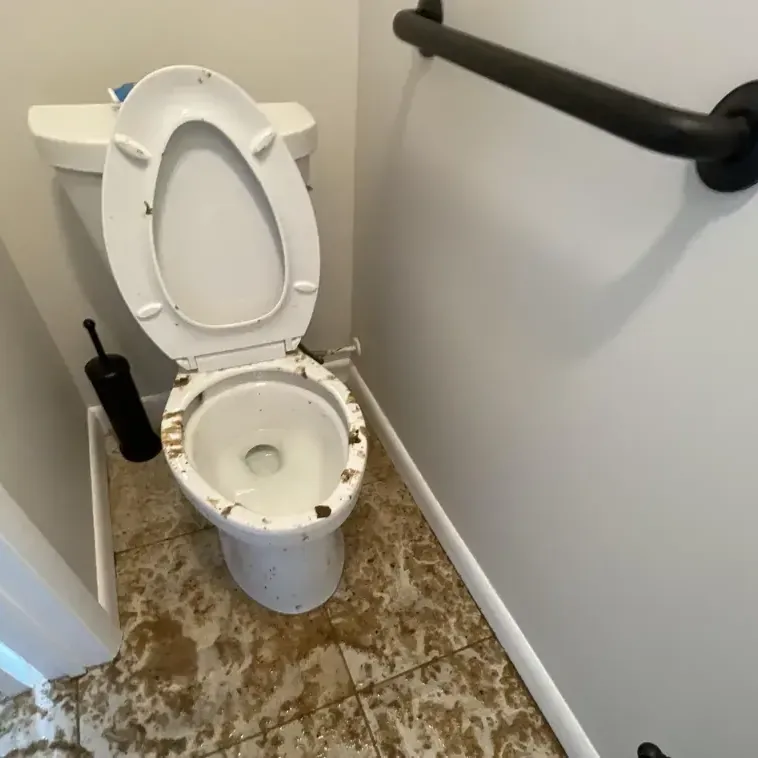
Black water from sewage
A floor drain or toilet backup is Category 3 from the start. Porous materials it touched are removed, never dried, and the room is cleaned and treated.
What a sewage cleanup involvesEvery water damage service for Villa Rica homes
Twelve water and sewage services, each with its own extraction and drying plan, from a frozen pipe in a crawl space to a backed-up basement floor drain.
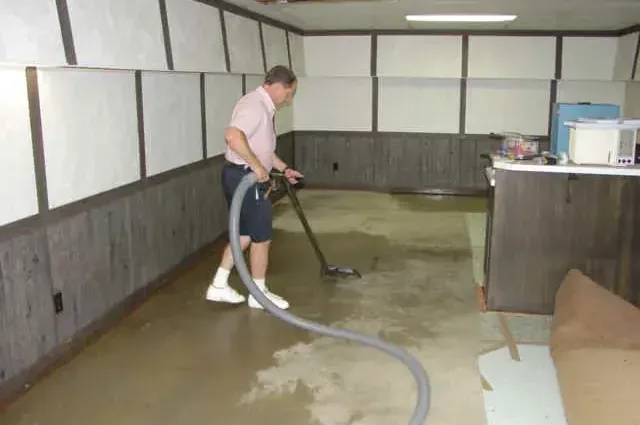 Water Extraction and RemovalStanding water pulled with truck-mounted and portable units before it wicks into pad, drywall and subfloor.See the full scope
Burst Pipe Water DamageSplit polybutylene, galvanized and PEX supply pipes inside walls and ceilings traced, extracted and dried.See the full scope
Water Extraction and RemovalStanding water pulled with truck-mounted and portable units before it wicks into pad, drywall and subfloor.See the full scope
Burst Pipe Water DamageSplit polybutylene, galvanized and PEX supply pipes inside walls and ceilings traced, extracted and dried.See the full scope
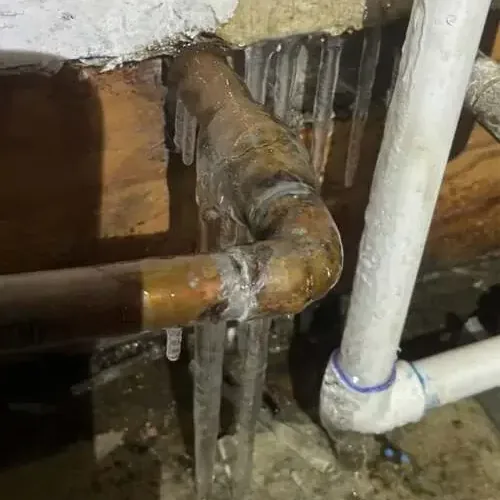 Frozen Pipe Burst CleanupPipes that split in a hard freeze, in crawl spaces, attics and exterior walls, dried out after the thaw.See the full scope
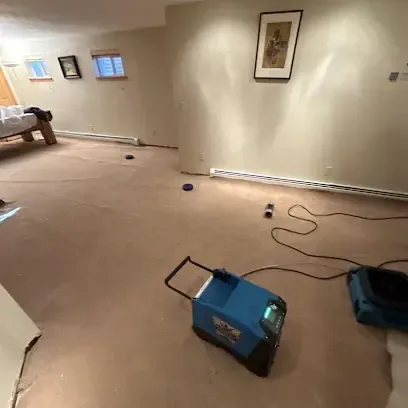 Basement Flooding CleanupSeepage, floor drain backups and sump failures in finished basements extracted and dried room by room.See the full scope
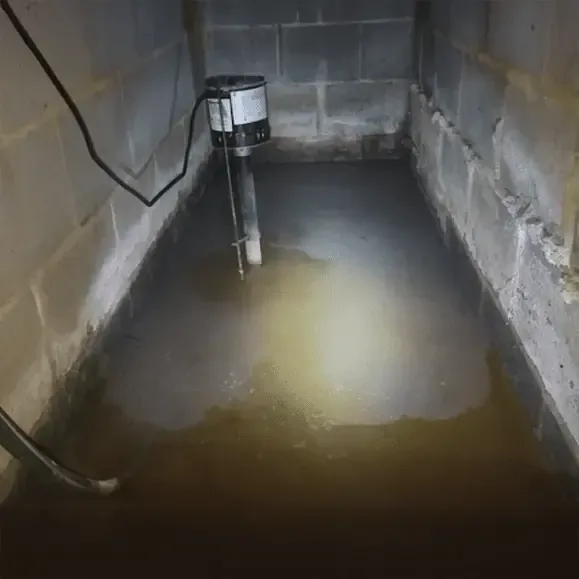 Crawl Space Water RemovalWater pooled on crawl space soil pumped out, wet insulation pulled and joists and subfloor dried.See the full scope
Storm and Flash Flood CleanupThunderstorm runoff and flash flooding treated as contaminated water, extracted, cleaned and dried.See the full scope
Crawl Space Water RemovalWater pooled on crawl space soil pumped out, wet insulation pulled and joists and subfloor dried.See the full scope
Storm and Flash Flood CleanupThunderstorm runoff and flash flooding treated as contaminated water, extracted, cleaned and dried.See the full scope
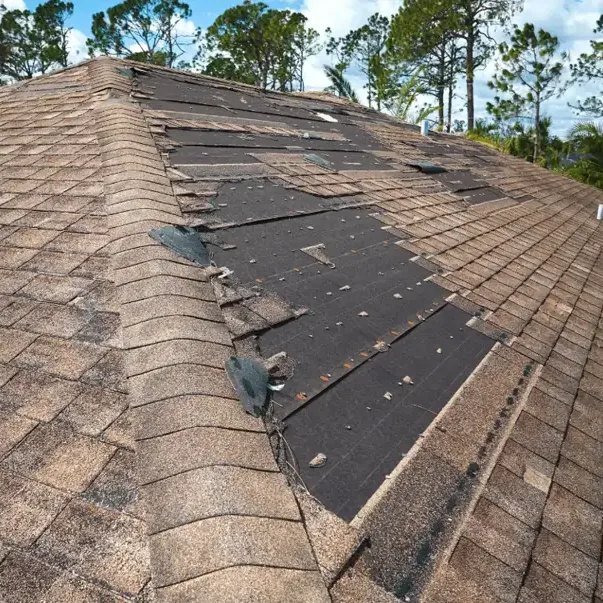 Roof Leak Water DamageWind-torn shingles and flashing leaks traced, soaked attic insulation removed and ceilings dried.See the full scope
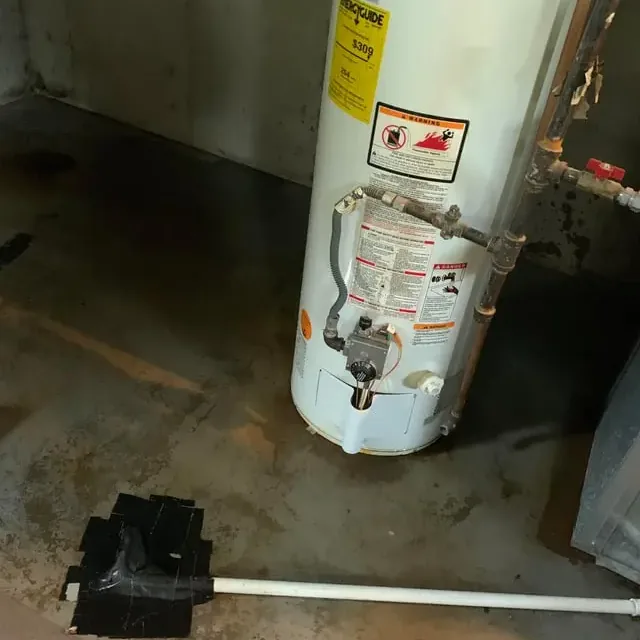 Water Heater Leak CleanupTank failures in garages, basements and closets extracted before drywall and stored belongings soak through.See the full scope
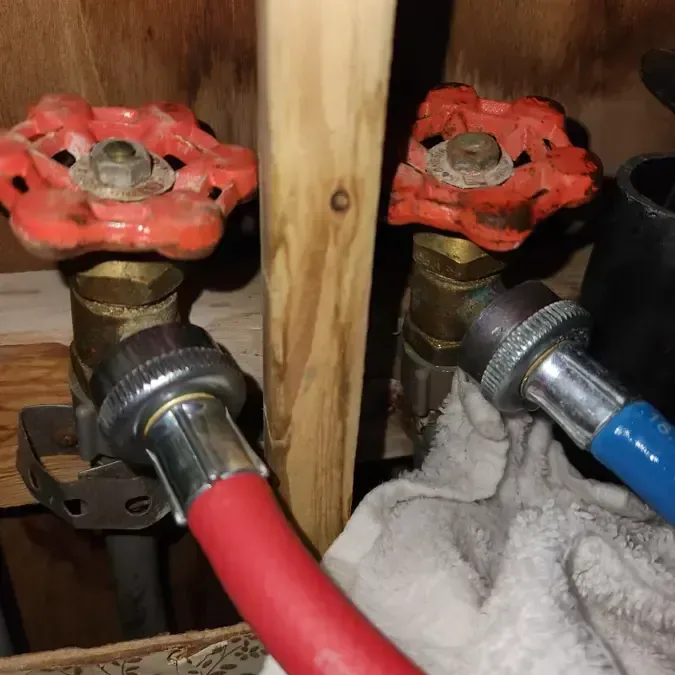 Appliance and Supply Hose LeaksWasher hoses, dishwasher, ice maker and toilet supply leaks dried out of floors and cabinets.See the full scope
Sewage Backup CleanupToilet, floor drain and cleanout backups handled as Category 3, porous materials removed and surfaces treated.See the full scope
Appliance and Supply Hose LeaksWasher hoses, dishwasher, ice maker and toilet supply leaks dried out of floors and cabinets.See the full scope
Sewage Backup CleanupToilet, floor drain and cleanout backups handled as Category 3, porous materials removed and surfaces treated.See the full scope
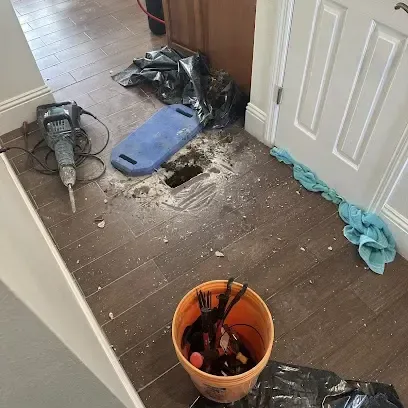 Slab Leak Water DamageHidden pressure leaks under slab foundations located, flooring lifted and the slab and walls dried.See the full scope
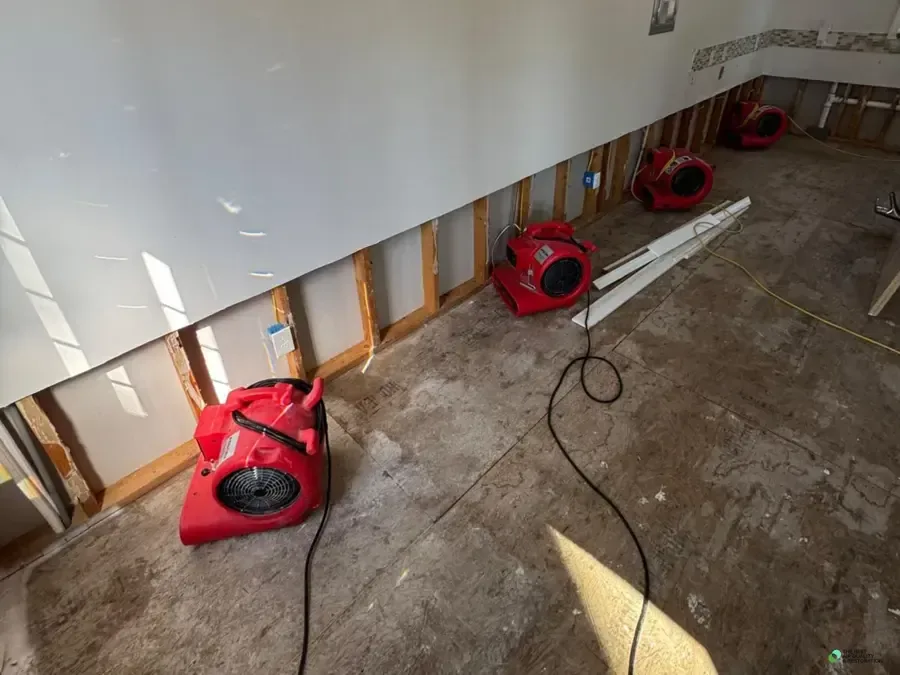 Structural Drying and DehumidificationFraming, subfloor and concrete dried until readings land within 2 to 4 points of a dry reference.See the full scope
The equipment behind every measured local dry-out
IICRC S500 is the industry drying standard. Every job runs on the same core kit, and the drying team logs temperature, humidity and material readings each day until the structure is dry.
Truck-mounted extraction
Pulls standing water out of carpet, pad and basement slabs far faster than any shop vacuum, the first move on most losses.
LGR dehumidifiers
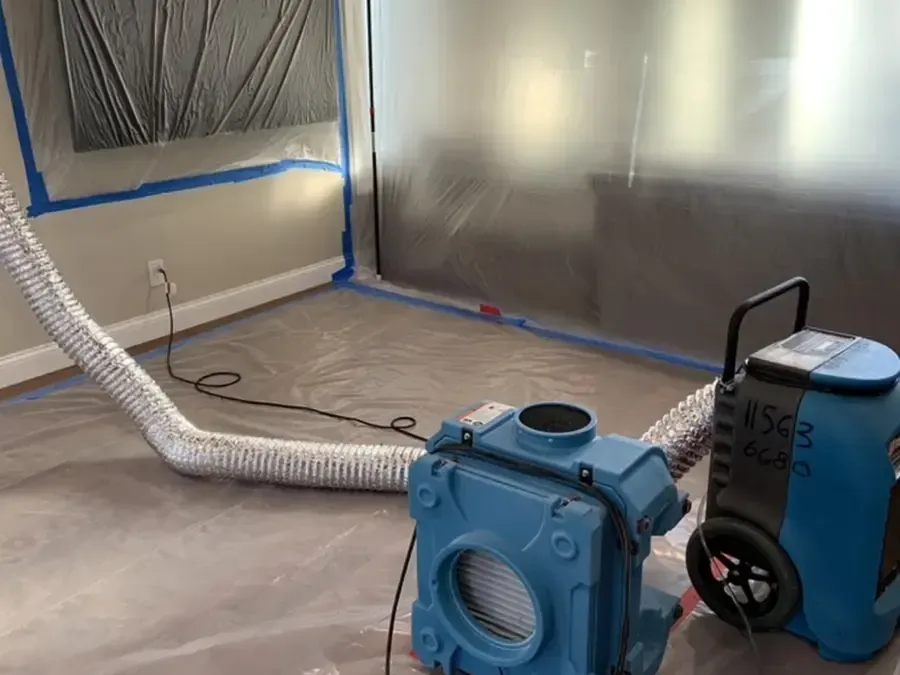
Low-grain refrigerant units pull moisture out of humid Georgia air so wet framing keeps releasing water into the room.
Air movers
Placed by the evaporation load of each room and aimed along wet walls, so the structure dries, not just the surface.
Thermal imaging and meters
Infrared cameras and pin and pinless meters find water hiding behind drywall, under flooring and inside crawl space joists.
What to do in the first hour after water gets in
Shut off the water
Close the main valve, usually in the crawl space, the basement or at the meter box near the street.
Cut power to wet areas
Switch off breakers feeding a flooded basement or crawl space, and stay out of standing water near outlets.
Photograph before moving anything
Take wide and close photos of every wet room, the source and the high-water mark before belongings move.
Lift what can be saved
Move rugs, papers and furniture to a dry floor and set foil squares under furniture legs on wet carpet.
Call for extraction
Water left 24 to 48 hours invites mold growth, so the response team starts with extraction and a moisture map.
Why Villa Rica dry-outs follow a measured standard
Dispatch around the clock
The response team dispatches 24/7, and active water is treated as urgent at any hour, weekends and holidays included.
Measured drying
Air movers and LGR dehumidifiers are sized to the class of loss, and readings decide when the equipment comes out.
Claim-ready records
Moisture maps, daily psychrometric logs and timestamped photos taken before demolition build the file an adjuster reviews.
West Georgia know-how
Red clay that holds water, crawl spaces, sloped basement lots and polybutylene pipe shape how local losses spread.
What every dry-out is held to
The drying goal is a number, not a date: wet framing must read within 2 to 4 points of dry material elsewhere in the same house before equipment leaves.
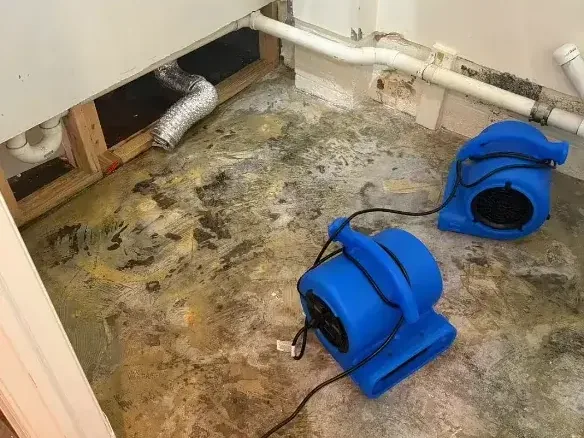
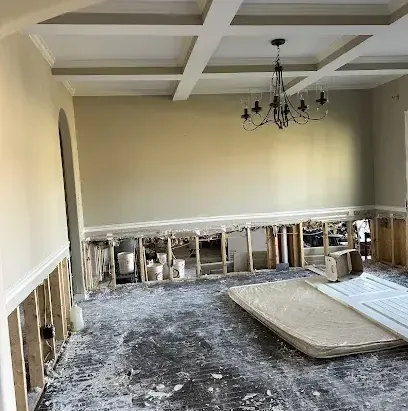
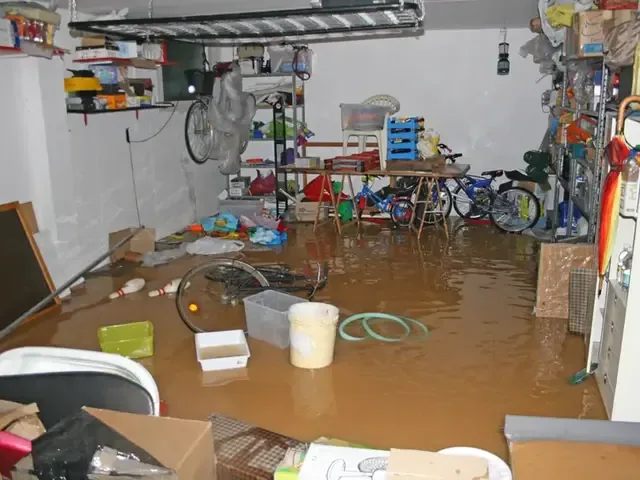
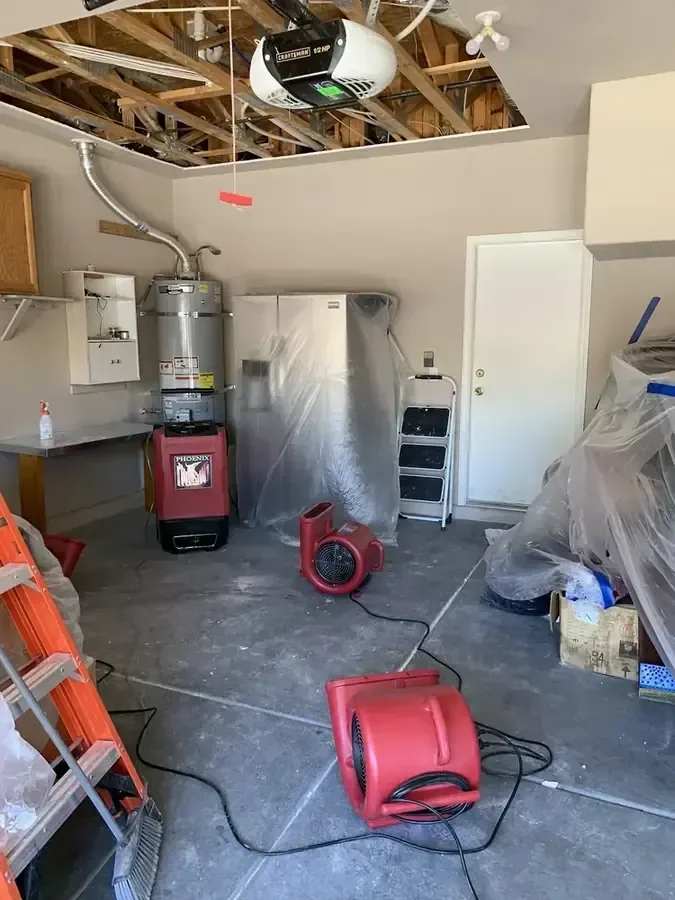
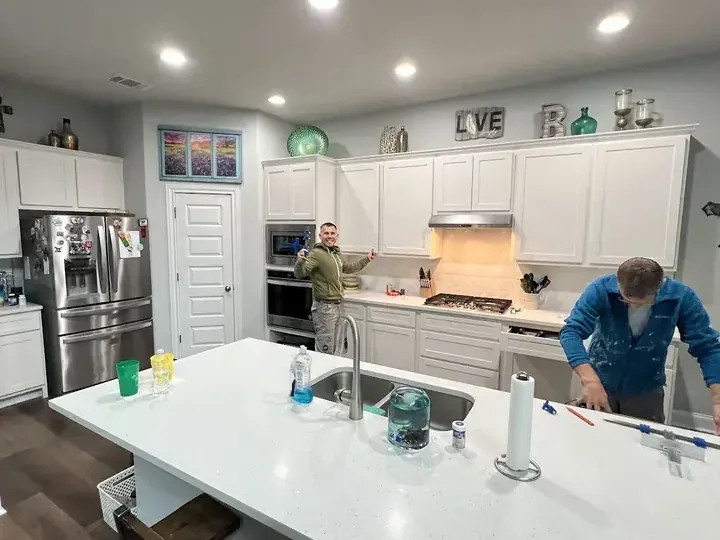
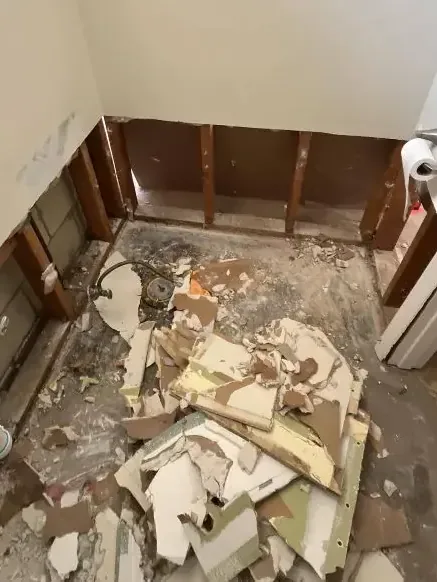
What a water damage dry-out looks like inside a home
What does water damage restoration cost in Villa Rica, GA?
Water damage restoration here typically runs $1,200 to $9,500. The water category, how many square feet got wet, the material class and how fast drying started move the number most, along with crawl space or basement access.
One room, clean water
- Extraction and a pad check
- Three to four days of drying
- Daily moisture readings
Several rooms or a crawl space
- Baseboards off and flood cuts
- Crawl space or basement drying
- LGR dehumidifiers and air movers
Sewage or a whole level
- Category 3 material removal
- EPA-registered antimicrobial
- Extended structural drying
A claim file that holds up
A water claim is decided on the file. The drying team builds it from the first visit, so the adjuster sees what was wet, how wet, and for how long.
- A moisture map of every wet room on day one
- Daily psychrometric logs of temperature and humidity
- Timestamped photos taken before any demolition
- The water category and class of loss, recorded
- An itemized scope of removal and drying work
Check your own policy
Sudden and accidental water, like a burst pipe or a failed water heater, is often treated differently from flood water or slow leaks. Coverage depends on your own policy.
Damage from rising surface water usually needs a separate flood policy. Read the declarations page, call your insurer early and keep every receipt for emergency work.
These are typical ranges, not a quote. The final scope comes from the walkthrough and moisture map, and the water damage cost calculator gives a closer range for one home.
Water damage restoration across Villa Rica and west Georgia
ZIP code
Covered around the clock, from the historic district to the lakes
The response team covers ZIP 30180 on both the Carroll County and Douglas County sides of town, plus Paulding County homes that share the Villa Rica mailing address.
Crews reach lake communities like Mirror Lake and Fairfield Plantation as readily as the older crawl space homes near downtown.
Villa Rica, GA · [email protected]
(888) 532-4616Ask for a moisture walkthrough at the house Find us on GoogleNeighborhoods and corridors
Nearby cities
How water finds its way into Villa Rica homes
Villa Rica sits on the ridge between the Chattahoochee and Tallapoosa river basins. Runoff splits off sloped lots, red clay holds it against foundations, and older crawl spaces collect the rest.
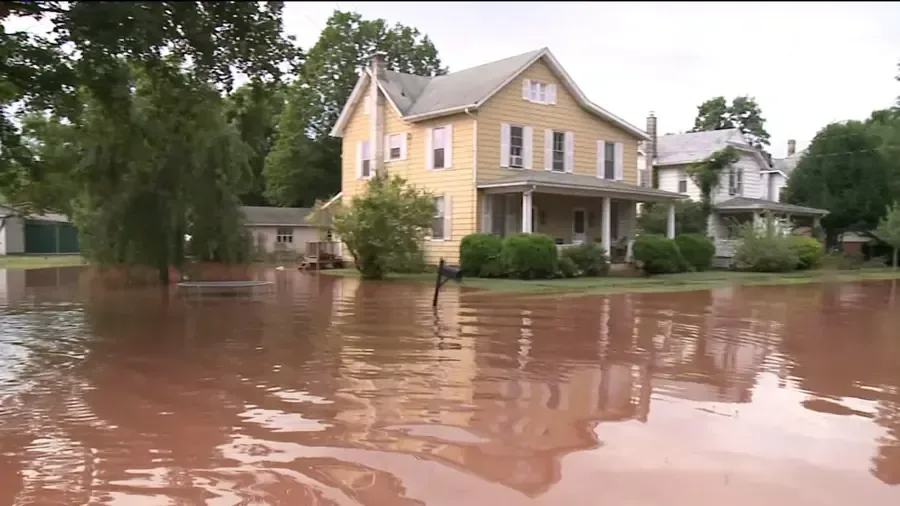
September 2009 flood
The metro Atlanta flood of September 2009 left the city with water outages lasting nearly a week and soaked basements across west Georgia.
Red clay and sloped lots
Georgia Piedmont clay drains slowly, so water from a long March storm sits against basement walls and seeps through block joints and the seam where the floor meets the wall.
Crawl spaces under older homes
Homes near downtown and in the former Fullerville mill village sit on crawl spaces, where runoff, a split pipe or a sweating duct pools on the soil out of sight.
Aging supply pipe
Homes built from the late 1970s to the mid 1990s often carry polybutylene supply pipe, and older homes galvanized steel. Both fail inside walls without warning.
Hard freezes
West Georgia freezes are rare but sharp, with a record low of minus 9 degrees in 1985. Crawl space and exterior wall pipes split first, then leak at the thaw.
Wind-driven storms
Severe thunderstorms and tornado-warned storms tear shingles and flashing, and rain follows the roof decking into attic insulation and the ceilings below.
Villa Rica water damage questions, answered
Water still coming in right now?
Shut off the main valve if it is safe and stay clear of outlets. The response team dispatches 24/7 and walks the household through the next steps.
(888) 532-4616 (888) 532-4616Talk the leak through with dispatchHow fast does a crew respond to water damage in Villa Rica?
Dispatch runs 24/7, and active water is treated as urgent at any hour. Arrival depends on traffic along Bankhead Highway and I-20 and on how many losses are open after a storm, so the household gets a realistic window up front.
Will homeowners insurance pay for water damage?
Sudden and accidental water, like a burst pipe, is often covered, while rising flood water and long slow leaks are treated differently. Coverage depends on your own policy, so check it and call your insurer early. The drying team documents the loss either way.
Why do so many local homes get crawl space water?
Red clay holds rain against foundations, many older homes sit on crawl spaces, and sloped lots send runoff toward the low side of the house. A split pipe or a sweating duct adds water the household never sees.
How long does it take to dry a house after water damage?
A contained Class 1 or Class 2 loss usually dries in three to five days. Basements, crawl spaces, hardwood and concrete take longer, and the equipment stays until readings reach 2 to 4 points of a dry reference.
What is the IICRC S500 standard?
IICRC S500 is the industry standard for professional water damage restoration. It covers how water is categorized, how drying equipment is sized and how a drying team proves a structure is dry with measured readings.
What should I do while waiting for the crew?
Shut off the water, switch off breakers feeding wet rooms if it is safe, photograph everything before moving it and lift rugs and furniture off wet floors. Skip the shop vacuum on sewage, because Category 3 water needs protective gear.
When does wet drywall have to come out?
Drywall soaked by clean water often dries in place if extraction starts quickly. Drywall touched by sewage or storm water, or wet long enough to swell and sag, is cut out a little above the highest wet reading and replaced after drying.
Why is a sewage backup handled differently?
Sewage is Category 3 water carrying bacteria and viruses. Crews wear protective gear, remove porous materials it touched, clean every surface and apply an EPA-registered antimicrobial at its full dwell time before drying starts.
How is the cost of water damage restoration figured?
Cost follows the water category, the square footage that got wet, the material class and how quickly drying started. Crawl space and basement access add labor. The walkthrough and moisture map set the scope, and the cost calculator gives a typical range.
Can a frozen pipe leak show up days after the freeze?
Yes. A pipe can split while frozen and stay plugged with ice, then leak at the thaw. After a hard freeze, check crawl spaces, exterior walls and attics, and watch the water meter for movement with every fixture off.
Water in the basement, crawl space or kitchen? Start the dry-out now.
Every hour the water sits, it wicks higher into drywall and framing. Extraction comes first, then measured drying.
(888) 532-4616Get extractors headed to the house