Water Damage Restoration Austell, GA
When a pipe bursts or Sweetwater Creek rises, the restoration team in Austell removes the standing water, opens wet walls and floors, and runs drying equipment until moisture readings come back dry.
(888) 532-4616Call for help with the water in your home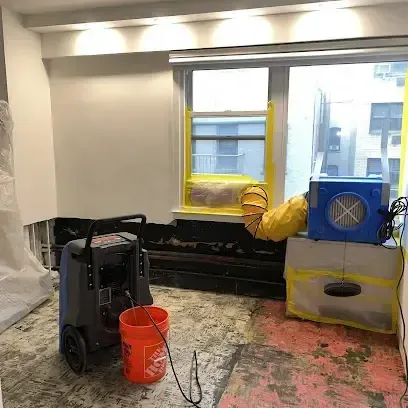
Creek flooding, burst pipes, roof leaks and sewage backups all get the same careful scoping before any equipment goes in.
(888) 532-4616Not all water gets the same treatment
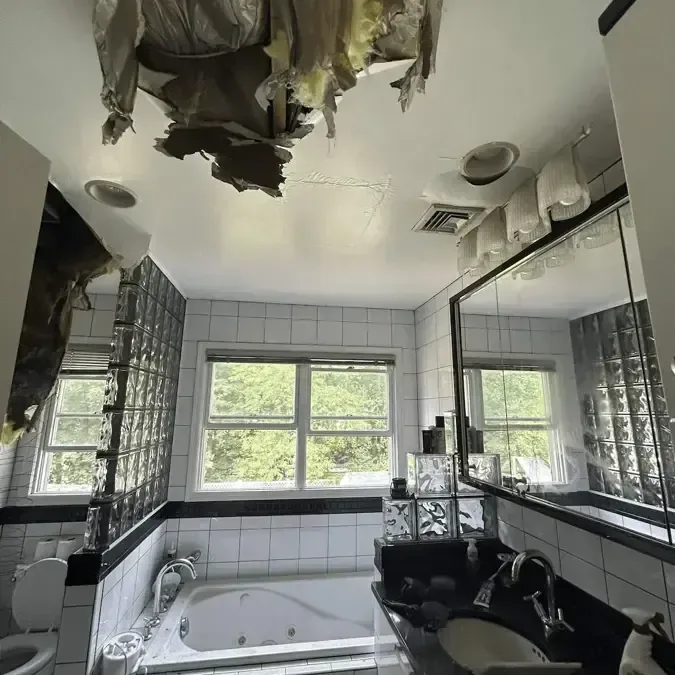
Clean water from a failed pipe or hose
A burst pipe, supply hose or tank starts out clean. Pulled out early, carpet, pad and drywall often dry in place instead of being torn out.
Burst pipe drying plan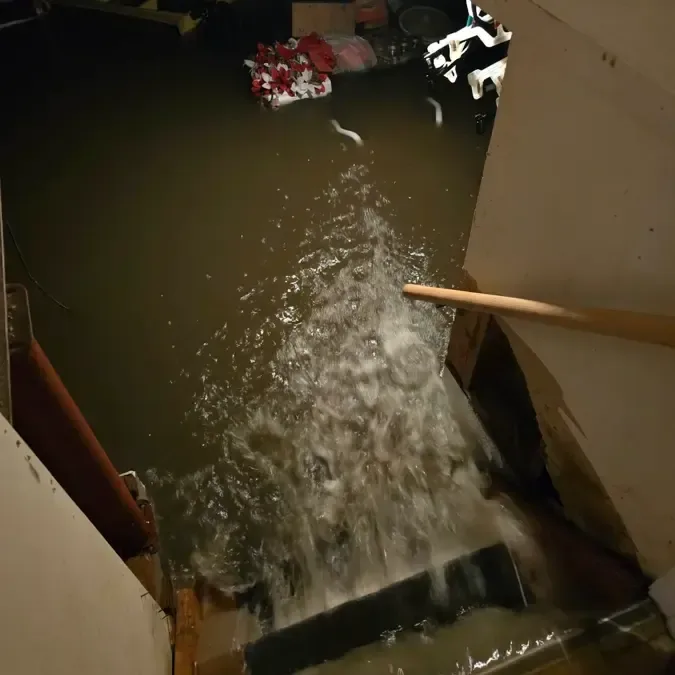
Creek and storm water
Floodwater from Sweetwater Creek or a hard storm carries soil and bacteria. It counts as gray or worse, so porous materials usually come out and the rest is cleaned and dried.
Storm flood cleanup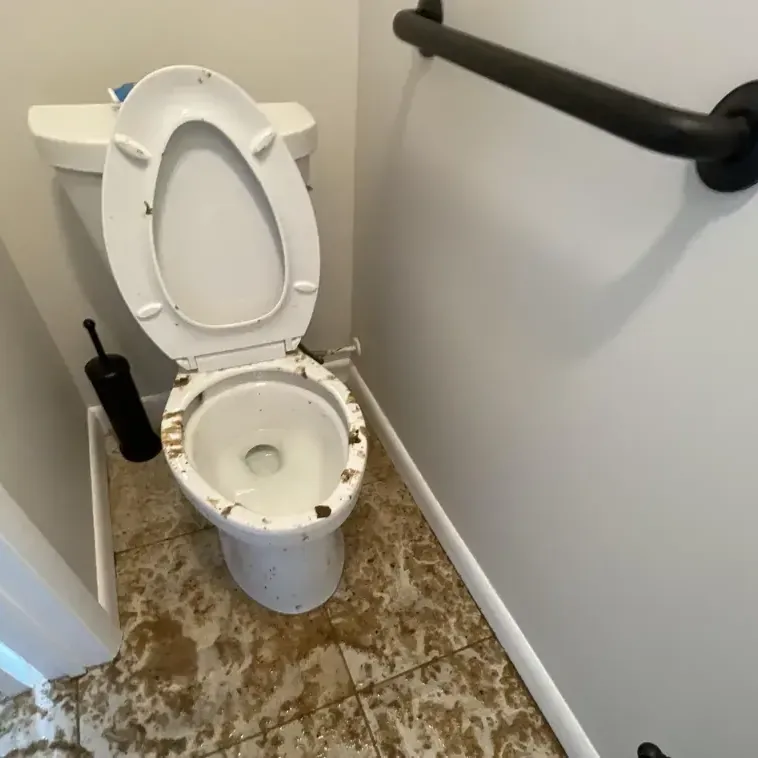
Sewage and drain backups
Sewage is a contamination problem first and a drying problem second. Affected material is removed, surfaces are disinfected, and only then does drying begin.
Sewage cleanup stepsWhat the restoration team handles in town
Each job starts with finding the water source and ends with documented dry readings. These services cover the common ways water reaches a home around the creek and older streets.
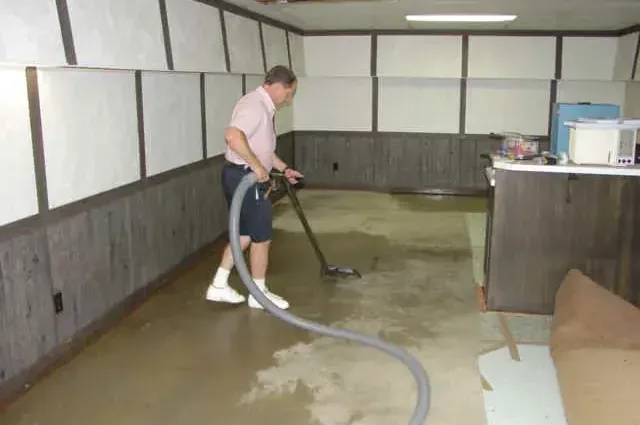 Water Extraction and RemovalPumps and wands pull standing water off floors so walls, subfloor and pad spend less time soaked.See the full scope
Burst Pipe Water DamageThe split pipe is isolated, soaked drywall comes out and the cavity is dried before any rebuild.See the full scope
Water Extraction and RemovalPumps and wands pull standing water off floors so walls, subfloor and pad spend less time soaked.See the full scope
Burst Pipe Water DamageThe split pipe is isolated, soaked drywall comes out and the cavity is dried before any rebuild.See the full scope
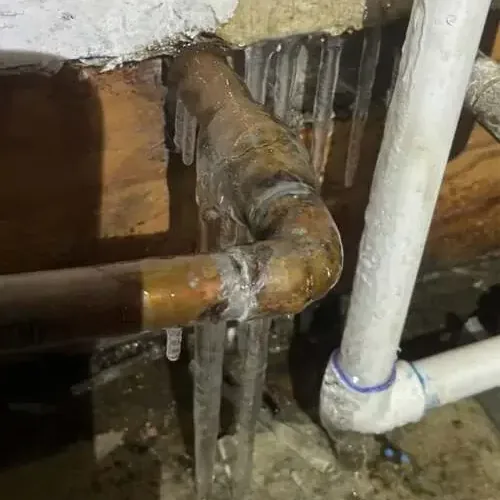 Frozen Pipe Burst CleanupA thawed, split pipe floods fast. The crew stops it, clears the wet area and dries the structure.See the full scope
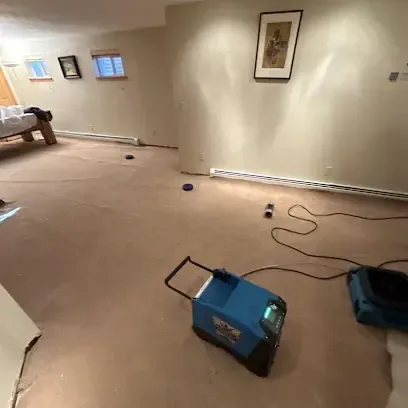 Basement Flooding CleanupRising water in a lower level is pumped out, soaked material is removed and the space is dried.See the full scope
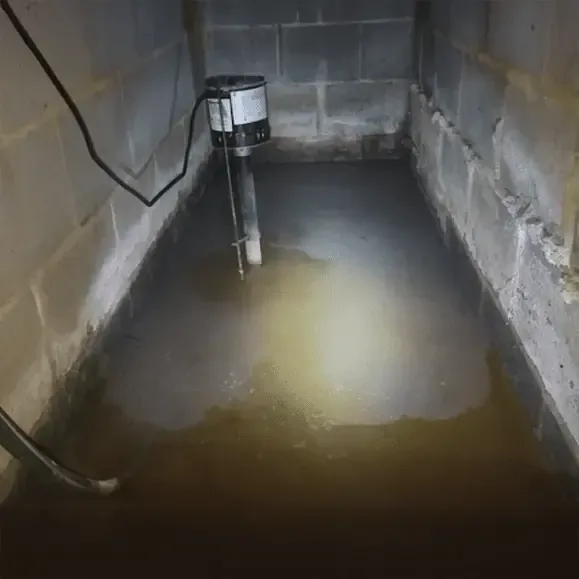 Crawl Space Water RemovalWater under a raised floor is pumped out and the framing dried before damp wood weakens.See the full scope
Storm and Flash Flood CleanupFloodwater from creek overflow or hard storms is removed, affected materials are sorted and the home is dried.See the full scope
Crawl Space Water RemovalWater under a raised floor is pumped out and the framing dried before damp wood weakens.See the full scope
Storm and Flash Flood CleanupFloodwater from creek overflow or hard storms is removed, affected materials are sorted and the home is dried.See the full scope
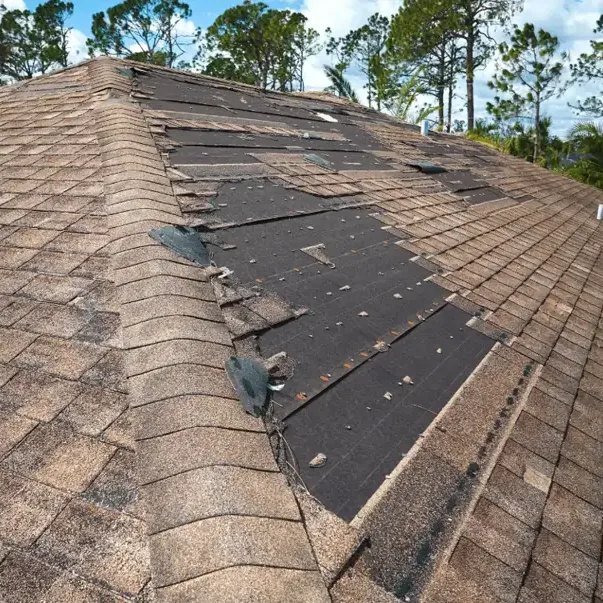 Roof Leak Water DamageA roof leak is followed from the stain back through ceiling and attic, then every wet layer is dried.See the full scope
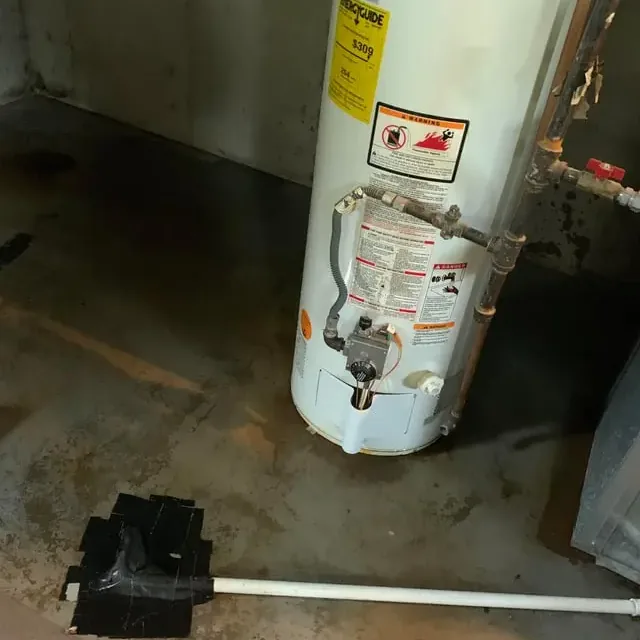 Water Heater Leak CleanupWater from a failed tank is removed and the nearby walls and flooring are dried.See the full scope
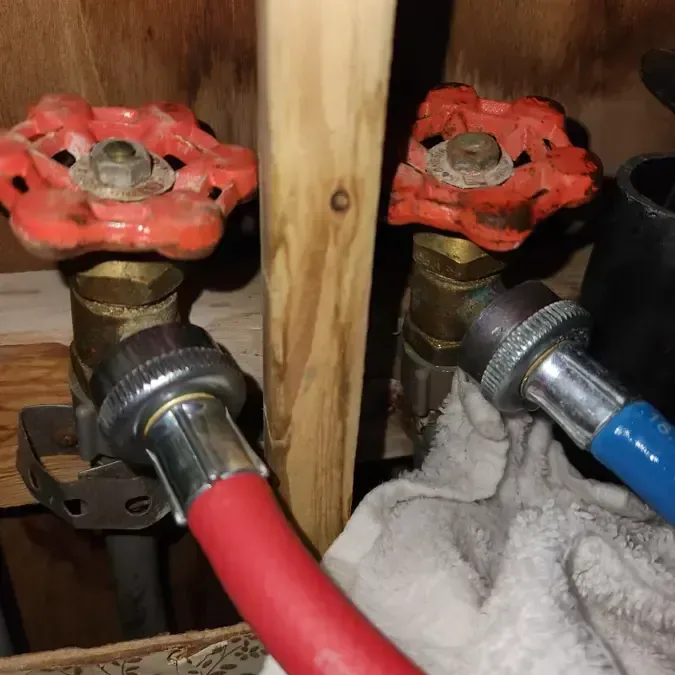 Appliance and Supply Hose LeaksA leaking washer, dishwasher or fridge hose is traced, then the floor and wall base are dried.See the full scope
Sewage Backup CleanupSewage backups are treated as contamination first: material is removed, surfaces are sanitized and drying follows.See the full scope
Appliance and Supply Hose LeaksA leaking washer, dishwasher or fridge hose is traced, then the floor and wall base are dried.See the full scope
Sewage Backup CleanupSewage backups are treated as contamination first: material is removed, surfaces are sanitized and drying follows.See the full scope
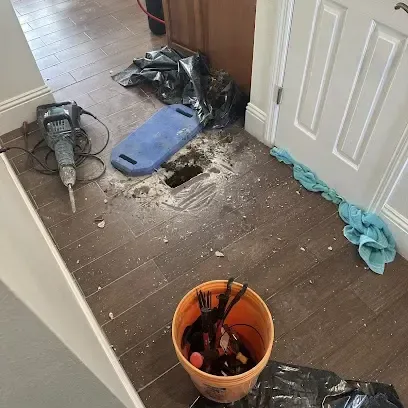 Slab Leak Water DamageA warm floor spot or running meter points to a slab leak, and the wet flooring and concrete are dried.See the full scope
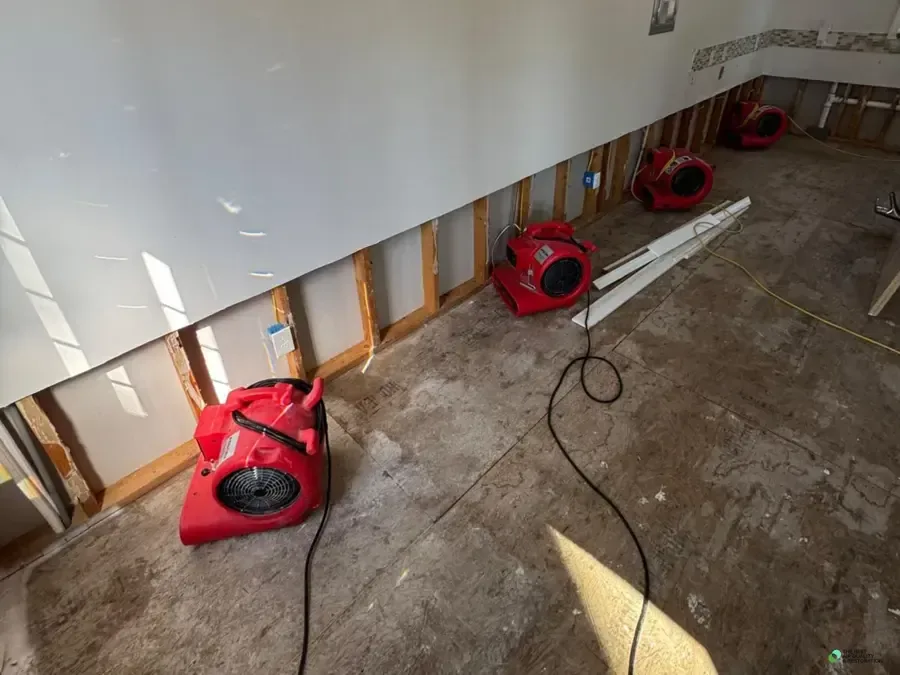 Structural Drying and DehumidificationAir movers and dehumidifiers dry framing, subfloor and walls until readings match dry reference points.See the full scope
A clear process from first call to dry readings
Every job follows the same order whether the cause is a pipe, a roof or the creek, so nothing gets skipped while a household is under stress.
Find the source
The crew traces where the water came from and confirms it is stopped before any equipment goes in.
Extract and open up
Standing water is pumped out, and wet drywall, pad or flooring that cannot dry is cut back.
Dry with equipment
Air movers and dehumidifiers run in the wet rooms while readings are taken at the same points each visit.
Confirm and document
The job closes only when readings match dry standards, and the notes and photos are handed over for the claim.
What to do right after you find water
Stop the water
Shut the main valve or the appliance valve first. If the source is a failed pipe, that single turn saves the most flooring.
Cut power to wet areas
Switch off breakers serving wet rooms, and stay out of standing water near outlets, cords or a panel.
Photograph the damage
Take wide and close photos of wet walls, floors and belongings before anything moves. Insurers read those pictures closely.
Move what is safe
Lift small furniture, rugs and boxes onto dry surfaces. Leave heavy items and anything touched by contaminated water alone.
Call the restoration team
Describe the source, the rooms affected and how long the water has sat. That shapes the equipment and the scope of work.
Drying that is measured, not guessed
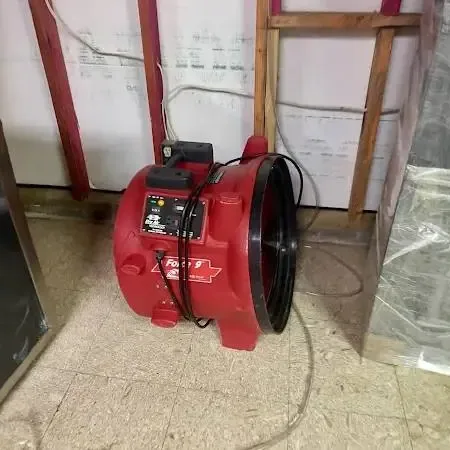
Moisture readings
Meters and a thermal camera map wet material room by room, and the same spots are rechecked each visit.
Right sized equipment
Air movers and dehumidifiers are matched to the room volume and the materials, not set out by habit.
Cuts follow the water
Drywall and flooring come out where readings show moisture, which keeps the opened area as small as possible.
Records for the claim
Photos, readings and a written scope are kept so an adjuster can follow what happened and why.
What every dry-out is held to
Wet drywall can look fine and still hold moisture. The drying team tracks readings in each room so equipment stays until the structure, not just the surface, is dry.
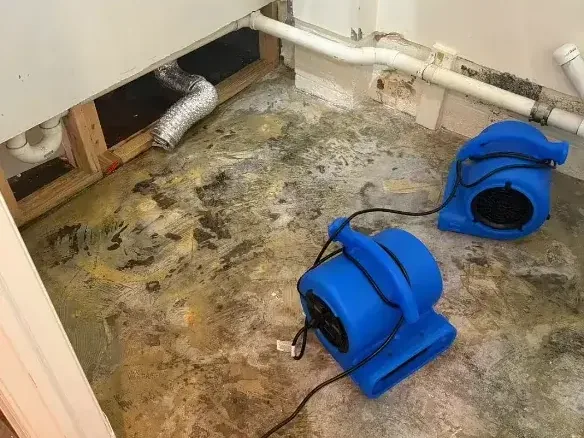
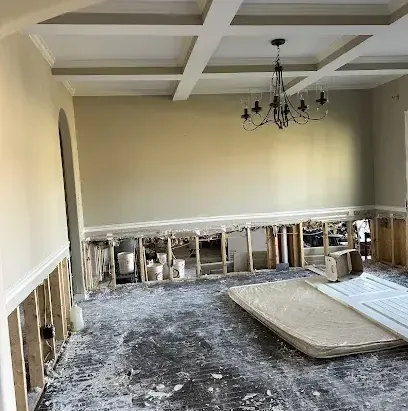
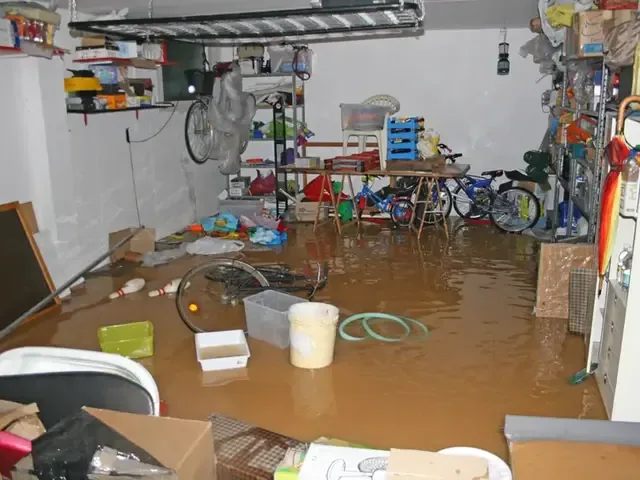
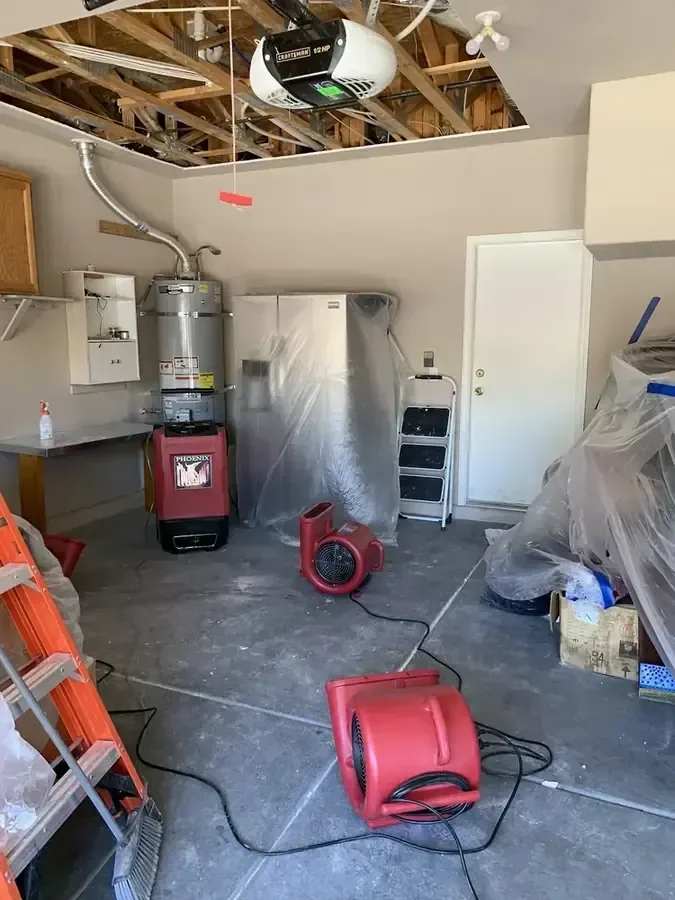
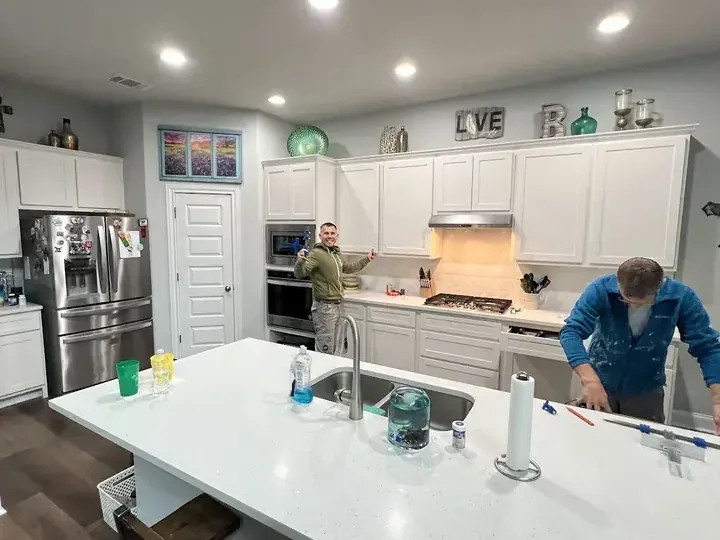
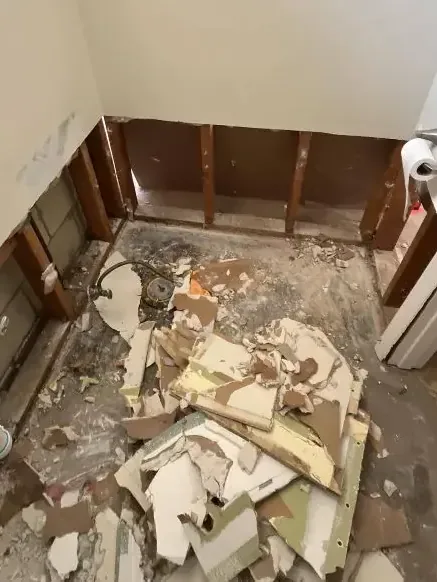
What the drying process looks like inside a wet home
What does water damage cleanup cost?
Most jobs in Austell land between $1,200 and $9,500 for the drying side, depending on how many rooms are wet, what the water carried and how long it sat before the pumps started.
One wet room, clean source
- Water pulled out
- Drying equipment set
- Moisture checked daily
Several rooms or a ceiling
- Wet drywall cut back
- Larger drying setup
- Progress notes kept
Gray water or a whole level
- Contaminated material removed
- Surfaces sanitized
- Longer drying run
Getting the claim paperwork ready
What a claim pays depends on the policy and the cause of the loss, so the records collected during drying carry real weight with the adjuster.
- Photos of every wet room and damaged item
- Moisture readings from each drying visit
- A written list of the materials removed
- The date and time the water was found
- Receipts for any emergency repairs or supplies
If you file yourself
You can open the claim before anyone starts work, but the adjuster will want proof of the damage. Photos taken first make that conversation much easier.
Keep damaged items until the adjuster has seen them, and ask the drying team for a copy of the readings and the scope when the job closes.
Final numbers come from moisture readings taken at the home. The water damage cost calculator shows where a job like yours is likely to fall, and the carrier decides what is covered.
Water damage restoration across Austell and southern Cobb County
ZIP codes
Covered day and night, from Legion Park to Veterans Memorial Highway
Calls from ZIP 30106 and 30168 reach the same drying team, whether the water is in a Clarkdale mill house or a newer townhome community off Maxham Road.
Low lots near Sweetwater Creek are the places the crew watches after heavy rain, since the creek is the main flooding threat in the city.
Austell, GA · [email protected]
(888) 532-4616Talk to the drying teamNeighborhoods and roads
Nearby places
What puts Austell homes at risk for water damage
Creek flooding is the defining threat here, with burst pipes, roof leaks and aging plumbing close behind. Knowing the pattern helps homeowners spot trouble early, before a small leak becomes a wet floor.
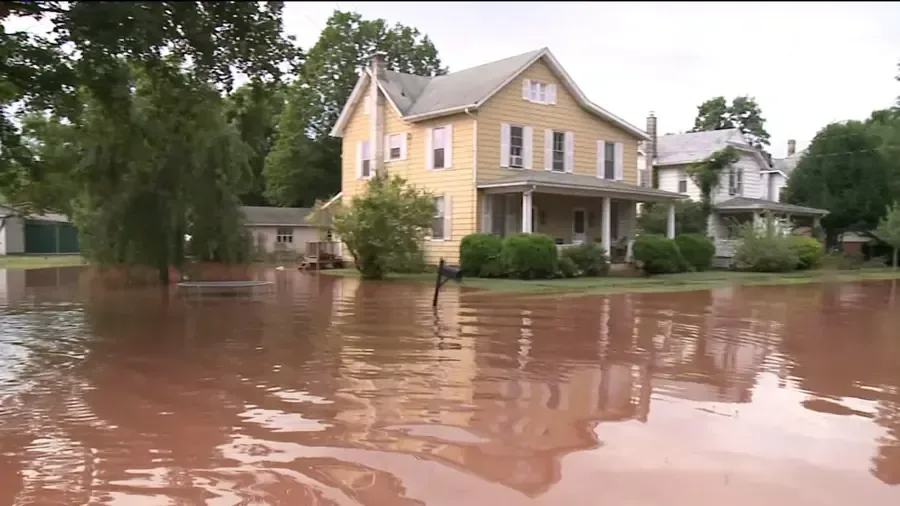
September 2009
Sweetwater Creek set a record crest 20 feet above flood stage, and parts of the city sat under more than 12 feet of water.
Sweetwater Creek flooding
In September 2009 the creek crested 9 feet above the previous record. After Helene in September 2024 it covered part of Perkerson Mill Road and Jones Road again.
Aging homes and plumbing
Most structures were built before 2000, and the Clarkdale mill houses date to 1932. Older supply connections and fixtures wear out on their own schedule, often behind a wall.
Cold snaps in January
January nights can dip into the teens, and a Cobb County freeze watch in November 2021 urged wrapping or draining outdoor pipes. See frozen pipe damage for what a split looks like.
Heavy tropical rain
Humid summers with a July average of 89 F and storms like Helene test older roofs and flashing. A slow roof leak can soak insulation long before a ceiling stain shows.
Sewage and stormwater
City pollution prevention notes list sanitary sewer leaks among stormwater pollution sources, so water that reaches living space after a backup is treated as contaminated.
Questions about water damage here
Water in your home right now?
Stop the source if you can, stay clear of electrical hazards and call. The drying team can talk through what to move and what to leave alone.
(888) 532-4616 (888) 532-4616Call for the drying teamHow soon does drying need to start after a leak?
As soon as the source is stopped. After a day or two, wet drywall, pad and framing can start growing mold, so pumping water out and setting air movers early keeps the damage and the final bill smaller.
Is creek flooding covered like other water damage?
Often not. Many homeowner policies exclude rising water, and flood coverage is usually a separate policy. Ask the carrier which one applies before work begins, and keep every photo, reading and receipt so the claim has support.
Is Sweetwater Creek still a flooding concern?
Yes. After Helene in September 2024 the creek covered part of Perkerson Mill Road and Jones Road, and a flood warning stayed in place. Homes on low lots near the creek should know their wettest spots.
Can wet drywall and carpet be saved?
Clean water caught early often lets drywall and carpet dry in place. Gray water, sewage or material that has soaked for several days usually has to be removed, because it will not dry safely or fully.
What should I do if sewage reaches the floor?
Keep people and pets out, avoid touching it and call right away. Porous material comes out, surfaces are cleaned and disinfected, and drying starts afterward. Details are in the sewage backup cleanup service.
Who deals with a failed water heater?
The drying team removes the water and checks the wet floors and walls. The city requires a plumbing permit to replace water heating equipment, so the tank swap itself goes to a permitted plumber after the leak is dried.
How is a finished drying job confirmed?
Moisture meters compare each wet area with dry reference readings. Equipment stays until walls, floors and framing match, and the readings are written down so the result can be checked again later by anyone.
Do older homes take longer to dry?
Often they do. Thick trim, aged subfloors and layered flooring hold water longer than newer finishes, so older homes, including the Clarkdale mill houses from 1932, may need a longer drying run before they read dry.
What should I tell the crew when I call?
Say where the water came from, which rooms are wet, how long it has been sitting and whether any of it could be sewage. Photos help a lot if they can be sent along with the description.
Where can I see a price range for my job?
The water damage cost calculator gives a range from a few simple inputs. The final scope and price come from readings taken at the home once the wet areas are mapped.
Water in your home? Talk to a drying team now
Call any hour and describe what happened. The crew explains the next steps and what the work involves before anything starts.
(888) 532-4616Call the drying team in Austell