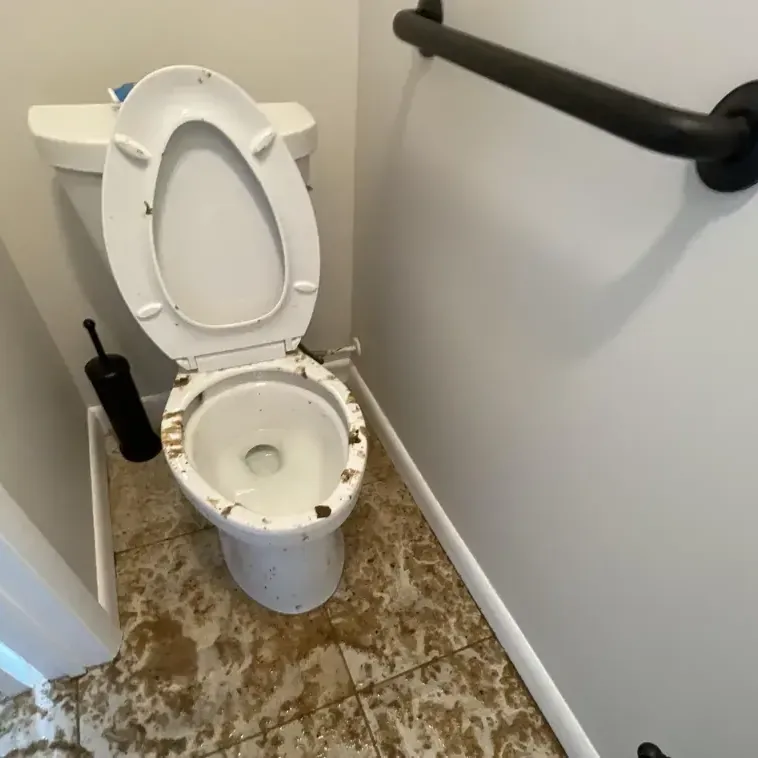
A toilet that gurgles and then pushes up dirty water, or a floor drain that overflows after a storm, is a sewage backup. Water like that is grossly contaminated from the first second, so the cleanup is a different job from drying a clean pipe leak.
Key takeaways
- Sewage is Category 3 water under the IICRC S500 standard, so porous materials that touched it are removed.
- Stop using drains, keep people and pets out and do not run the HVAC fan.
- A plumber clears the blockage. The restoration crew removes contaminated materials and cleans and dries the space.
- Cleaning means washing and treating surfaces, not only wiping them.
- Rebuilding waits until moisture readings show framing and floors are dry.
What Category 3 means
Restoration crews sort water into three categories by how contaminated it is. Category 1 starts clean, Category 2 has some contamination and Category 3 is grossly contaminated.
Sewage and rising floodwater are Category 3. They can carry bacteria, viruses and parasites, which is why the response is stricter than for a split supply pipe.
The category also changes who should do the work. Clean water jobs can sometimes be handled by an owner with towels and a fan, while sewage needs protective gear, disinfectants and a plan for waste disposal.
Floodwater that enters a house from outside is handled the same way. The source is different, but the rule is the same: assume it is contaminated, and treat whatever it touched as such.
- Skin contact and splashes are a health risk.
- Contamination soaks into porous materials and cannot be washed out.
- Smell and stains can return if the materials are not removed.
- Anyone with a weak immune system should stay out of the area.
Why drains back up
Most backups have one of two causes, and sometimes both together.
A blockage in the drain
Grease, wipes, roots and a collapsed section of pipe can all stop flow. When the blockage sits in the main drain, every fixture in the house is affected and the lowest one overflows first.
A backup that affects only one fixture usually points to a blockage in that fixture's own drain. A plumber can run a camera through the pipe to see what is stopping it.
Heavy rain and saturated ground
Rain can overload drains and add water around underground pipes. Georgia red clay drains slowly, so wet weather can leave the ground saturated for days, and a floor drain in a lower level is often where it shows.
The fix for a rain related backup depends on where the water is getting into the system. That is a job for a plumber, and the restoration crew handles the damage already done.
First steps for the household
The aim is to protect health and stop the spread while help is on the way.
Crews arrive with protective suits, gloves, boots and respirators, and they set up containment so contaminated air and water stay in the affected rooms. Owners should not enter those areas without the same protection.
Do not flush toilets or run water down any drain until a plumber says the pipe is clear. Every flush or rinse can push more contaminated water into the house, and the lowest fixture is where it comes out.
- Stop using sinks, tubs, toilets and washing machines.
- Keep children, pets and anyone vulnerable out of the area.
- Switch off the HVAC fan so air does not move contamination through the house.
- Do not wade through the water or try to vacuum it up.
- Take photographs of the water and the affected rooms.
- Call a plumber to clear the blockage and a restoration crew for the cleanup.
Quick fixes that make a backup worse
The urge to clean it up quickly is understandable, but some common shortcuts spread contamination or hide it.
- Running a household vacuum or wet vac over contaminated water.
- Mixing cleaning products, especially bleach with other chemicals.
- Pointing fans at wet carpet, which blows contamination around the room.
- Keeping carpet and pad because they look clean once dry.
- Walking through the area and tracking water into other rooms.
What gets removed and what gets cleaned
A local crew begins by pumping out the contaminated water and then sorts what stays. Sewage backup cleanup follows the Category 3 rule: if it is porous and touched the water, it goes.
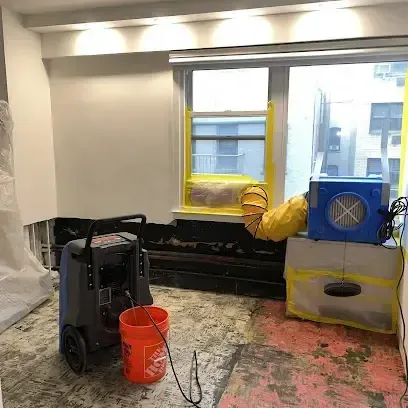
After removal, water extraction makes sure no pooled water is left under cabinets or in low spots. Hard surfaces are washed, rinsed and treated with a product made for the job.
Waste is bagged and removed according to local rules, and the work area is kept separate from clean parts of the house. Afterward, the space is cleaned again and checked before drying begins.
- Carpet, pad and rugs are removed and discarded.
- Drywall and insulation that wicked water are cut out above the water mark.
- Wood and subfloor are cleaned and treated, or removed if saturated.
- Soft contents like upholstery, mattresses and stuffed items are discarded.
- Hard contents like glass and many plastics are washed and treated.
Drying and checking the work
Once the materials are cleaned, structural drying begins with dehumidifiers and air movers. Air scrubbers can help keep the air clean while the work goes on.
Moisture readings tell the crew when the structure is dry, and they are logged for the insurer. A room that smells fresh is not the same as a room that reads dry.
Mold can start on damp material in 24 to 48 hours, which is another reason the cleanup begins as soon as the plumbing problem is under control.
Drying a sewage affected room can take longer, since materials are removed and cleaned first. The crew keeps a log that shows each day's readings and the final dry result.
Basements, finished lower levels and insurance
Backups often show up in lower levels, since the floor drain is the lowest opening in the house. A finished basement with carpet and drywall can hold a lot of contaminated water.
The basement flooding cleanup work shares many of the same steps, with the added rule that nothing porous stays. Coverage for sewer backup is often a separate add on to a homeowners policy, so check the wording or ask the insurer before the work begins.
A finished lower level also needs a closer look at what is behind the walls. Moisture can travel up drywall and into framing well above the visible stain, so readings, not appearances, decide what is cut out.
- Photograph everything before it is removed.
- Keep a list of discarded contents.
- Save receipts for the plumber and the cleanup.
- Ask the insurer about sewer backup coverage.
Questions
Can I clean up a small sewage backup myself?
Small spills on hard surfaces can be handled with gloves, boots and a disinfectant made for the job, but anything that soaked into carpet, drywall or wood needs professional cleanup.
Who is responsible for the sewer pipe?
It depends on where the blockage sits and how the property is connected. A plumber can tell whether it is inside the house or farther out.
How do I know the cleanup is finished?
The crew takes readings after drying and checks that surfaces have been cleaned and treated. Rebuilding should wait until the framing and floors read dry.
Will the smell go away?
Odor goes away when the contaminated materials are removed and the structure is cleaned and dried. Masking it with sprays only hides the problem.
Does heavy rain cause sewage backups?
It can. Rain can overload drains and saturate the ground, and a floor drain on a lower level is often the first place the water shows up.